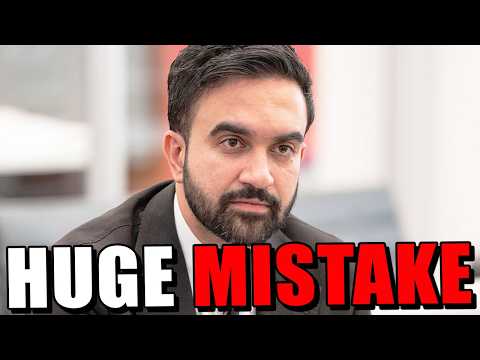
This article analyzes Hasan Piker's recent podcast appearance on the New York Times, highlighting his controversial pro-piracy stance and calls for stealing from corporations. It explores the ideological fractures within the Democratic Party, contrasting them with the relatively unified conservative base, and discusses the potential consequences of such radical leftist views on American capitalism and society.
In recent political discourse, much attention has been given to the perceived fractures within the conservative movement, particularly around the MAGA base and its future. However, a closer examination reveals that the ideological divides within the left, especially among Democrats, may be far more profound and irreconcilable. This article delves into the recent podcast appearance of Hasan Piker on the New York Times, which has sparked significant controversy and panic among left-leaning circles, exposing the deep ideological rifts within the Democratic Party.
There is a common narrative that the conservative base is fractured beyond repair, with irreconcilable differences that threaten its unity. While some disagreements exist, particularly regarding the pace and scope of Donald Trump's agenda and non-interventionist foreign policy stances, these are largely healthy debates tethered to a central figure. Many expect these issues to be resolved in upcoming primary seasons, suggesting a potential for cohesion.
In stark contrast, the left faces fundamental ideological divides that go beyond surface-level disagreements. Hasan Piker, a prominent figure among young Gen Z grassroots Democrats, recently showcased this divide during a New York Times podcast. His radical views have caused alarm within the party, highlighting a split between corporate Democrats and far-left extremists.
During the podcast, Hasan Piker openly declared himself "pro piracy all the way," extending this to an extreme analogy of pirating a car if it were possible. He justified stealing from large corporations by arguing that these companies exploit their workers and that theft is factored into their profit margins due to automation and shrinkage.
He further advocated for chaos, endorsing stealing from self-checkout machines at stores like Whole Foods, while paradoxically opposing theft from government-owned, taxpayer-funded stores. This contradictory stance reveals a simplistic and economically illiterate worldview that demonizes corporations while ignoring the complexities of economic systems.
Piker's analogy and arguments have been widely criticized for their lack of intellectual rigor and moral clarity. Advocating theft as a form of economic warfare against corporations ignores the fact that these businesses are major contributors to the economy, paying wages and taxes that fund public services.
Moreover, stealing from corporations ultimately harms workers and the broader economy. The idea that corporations are solely evil entities oppressing Americans into poverty is a gross oversimplification, especially considering the relative prosperity in the United States compared to genuinely impoverished nations.
Piker's call for stealing and chaos aligns with a broader revolutionary rhetoric that threatens the stability of American capitalism. Such views risk pushing the country towards economic collapse and handing over global economic leadership to authoritarian regimes like China.
The podcast also featured individuals boasting about stealing from stores, highlighting a culture of petty crime among privileged urban elites. This behavior, framed as a form of protest or necessity, undermines social cohesion and the rule of law.
Contrary to Piker's portrayal of widespread poverty caused by corporations, the reality in America is more nuanced. Extreme poverty as seen in many developing or communist countries is largely absent. Even American prisoners receive relatively humane treatment, including access to education and healthcare, which is not the case in many other parts of the world.
Hasan Piker represents a significant faction within the Democratic base that embraces far-left, anti-capitalist ideologies. This faction's rise exposes a deep ideological fracture between corporate Democrats and radical leftists.
If these extremists gain control, the consequences could be dire, potentially leading to authoritarianism and the erosion of democratic institutions. History warns against such concentrated power in the hands of radical ideologues.
The controversy surrounding Hasan Piker's recent podcast appearance underscores the profound ideological divides within the Democratic Party. While the conservative base grapples with internal debates, the left faces a more fundamental split that challenges the party's unity and future direction.
Piker's radical views on piracy, theft, and economic destruction reveal a dangerous path that could undermine American capitalism and social stability. Understanding and addressing these divides is crucial for the Democratic Party to maintain cohesion and effectively govern.
The political landscape is complex, and simplistic narratives about one side fracturing while the other remains united do not capture the full picture. As these ideological battles unfold, the future of American politics hangs in the balance.