The housing market is experiencing a significant shift, with a decline in buyer interest leading to an increase in inventory and a potential national price drop. Experts predict that unless there is a substantial policy response, the market may face a prolonged correction, driven by demographic changes and economic pressures.
In a recent discussion on the housing market, Adam Tagert, founder of Thoughtful Money, hosted Melody Wright to provide insights into the current state of home prices and buyer sentiment. The conversation highlighted a significant shift in the housing market, characterized by a decline in buyer interest and an increase in inventory, leading to predictions of a national price drop.
Melody Wright opened the discussion by noting that there is a palpable lack of interest in home buying at the moment. This sentiment has been building over time, and recent data suggests that the narrative surrounding the housing market is changing. Major real estate platforms like Redfin and Zillow are now pivoting towards acknowledging price declines, which is a critical signal in the market.
Wright emphasized that the current market dynamics are heavily influenced by narrative rather than just data. The shift in sentiment is crucial, as it reflects a broader understanding that the housing market may not be as resilient as previously thought. For instance, Realtor.com recently reported on distressed selling among investors, indicating that sellers are beginning to feel the pressure to offload properties.
One of the most significant changes in the housing market is the increase in inventory. Historically, there have been more buyers than sellers, creating a narrative of inventory shortages. However, recent trends show that sellers are now outpacing buyers, leading to a widening gap that could result in more homes available for sale than there are interested buyers.
Wright pointed out that demographic changes, particularly the aging population of baby boomers, will contribute to sustained selling pressure in the housing market. Harvard estimates that between 2025 and 2035, approximately 15.6 million homes will be sold as boomers downsize or move into assisted living. This demographic shift, combined with current market conditions, suggests that the inventory will continue to grow.
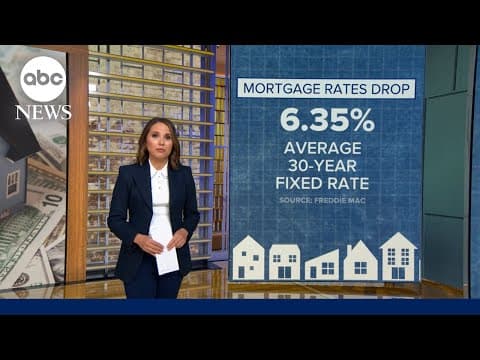
As the conversation progressed, Wright expressed her belief that unless there is a significant policy response, the housing market is likely to experience a correction. She noted that the current economic environment, including rising mortgage rates and increasing inventory, points towards a decline in home prices.
Wright discussed the potential for government intervention to stabilize the market. She suggested that if the government were to take more aggressive actions, such as purchasing homes directly, it could help mitigate the impending price declines. However, she expressed skepticism about the likelihood of such interventions occurring in a timely manner.
The discussion also touched on broader economic conditions that could exacerbate the housing market's challenges. Wright highlighted concerns about rising delinquency rates in mortgages and the potential for a recession, which could further strain the housing market.
Consumer confidence is another critical factor influencing the housing market. Wright referenced a recent interview with Joanne Shu, director of research at the University of Michigan, who noted that consumer sentiment has plummeted, driven by uncertainties in the job market and economic outlook. This lack of confidence could lead to decreased demand for homes, further contributing to price declines.
Despite the challenges, there may be opportunities for prospective homebuyers. Wright advised that those who can afford to wait should consider holding off on purchasing a home, as prices are expected to decline further. For those who need to buy, she recommended being vigilant and negotiating aggressively, as the market dynamics shift in favor of buyers.
Wright also discussed the rental market, suggesting that as home prices decline, rental prices may also follow suit. This could provide some relief for renters who have faced rising costs in recent years. She encouraged renters to negotiate their leases and take advantage of the increasing vacancy rates in the rental market.
In summary, the housing market is at a critical juncture, with declining buyer interest and increasing inventory suggesting that home prices may soon fall nationally. Melody Wright's insights underscore the importance of monitoring market narratives and being prepared for potential changes in the economic landscape. For both buyers and sellers, understanding these dynamics will be crucial in navigating the evolving housing market.