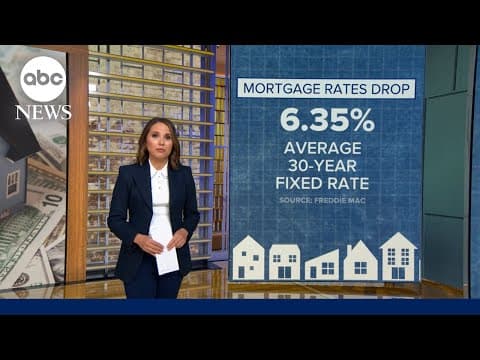
The housing market is experiencing significant changes, particularly in Florida and Texas, where prices are declining due to increased inventory and reduced buyer demand. As we enter 2025, home buyers may find more favorable conditions, while sellers need to adjust their expectations. The overall market remains challenging, with affordability issues persisting across the U.S.
The housing market has been a topic of concern for many, especially in regions like Florida and Texas, where prices have not only remained high but are now beginning to decline. In a recent discussion with Nick Gerli, founder of Reventure Consulting, we explored the current state of the housing market and what buyers and sellers can expect in 2025.
As we enter 2025, the U.S. housing market is described as frozen, with home buyer demand at multi-decade lows. Despite this, housing inventory is finally starting to increase on a national basis, which is a positive sign for potential buyers. However, home prices remain at record highs, leading to a significant affordability crisis. Home buyers are now required to spend nearly 40% of their gross income to afford a home, a metric that is clearly unsustainable.
Florida and Texas, once considered the best states for real estate investment, are now experiencing notable price declines. In Florida, prices surged by nearly 60% from 2019 to 2024, but are now starting to drop due to a massive spike in inventory. The number of listings in Florida has increased from 49,000 at the pandemic low to 152,000, marking the highest level in seven years. Similarly, Texas has seen its listings rise from 46,000 to 115,000 in just one year.
The average price decline in these states is currently less than 1% year-over-year, but certain markets, particularly in cities like Austin, are experiencing declines of 7-20%. This shift is significant, as it marks a departure from the previous narrative that prices would continue to rise indefinitely.
Several factors are contributing to the rising inventory in Florida and Texas:
Institutional investors, who previously bought up large quantities of homes, are now beginning to sell off their portfolios in response to declining rental income. This trend is expected to contribute to the increasing inventory and downward pressure on prices in the coming year.
Looking ahead to 2025, Nick Gerli forecasts that while some areas will see price declines, the national average may experience slight growth of around 0.9%. However, this is contingent on the continued increase in inventory and the overall economic environment. The housing market is expected to remain bifurcated, with some regions experiencing resilience in prices due to ongoing inventory shortages, particularly in the Northeast and Midwest.
For aspiring home buyers, 2025 may present a more favorable environment with increased inventory and potential price reductions, especially in the South and Mountain West. However, buyers in the Northeast and Midwest should prepare for continued competition and potentially higher prices.
Sellers, on the other hand, are advised to avoid overpricing their homes. Many sellers are currently unaware of the market's downward trend, leading to prolonged listings and larger price cuts. Understanding local market conditions and pricing competitively will be crucial for successful sales.
As we move into 2025, the housing market is poised for significant changes. While buyers may find more opportunities, sellers must adapt to a shifting landscape. The key takeaway is to stay informed and arm yourself with data to navigate this complex market effectively. With the right approach, both buyers and sellers can make informed decisions that align with their financial goals.