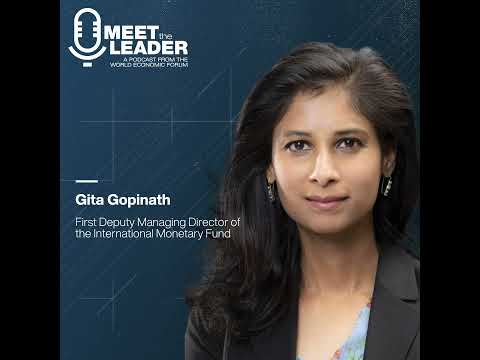
Gita Gopinath, the IMF's First Deputy Managing Director, highlights the global economic outlook for 2025, emphasizing the divergence in growth rates between the US and Europe, the importance of agility in leadership, and the need for investment in sustainable development and technology to foster inclusive growth.
In a recent podcast episode from Davos, Switzerland, Gita Gopinath, the First Deputy Managing Director of the International Monetary Fund (IMF), shared her insights on the economic outlook for 2025. Gopinath, a prominent macroeconomist and the first female Chief Economist at the IMF, discussed the key risks and opportunities that leaders must navigate in the coming years.
Gopinath indicated that the global economy is expected to grow steadily at approximately 3.3% for both this year and the next. However, she emphasized two critical themes in the forecast: divergence and uncertainty.
Gopinath pointed out that there is considerable uncertainty regarding global policies, including trade, immigration, and investment. This uncertainty poses challenges for economic stability and growth.
Despite the risks, Gopinath highlighted several opportunities that could enhance global economic growth:
Gopinath shared some compelling statistics that underscore the current economic landscape:
Gopinath stressed the importance of agility for leaders in 2025. As the global economic environment evolves, leaders must focus on building resilience within their economies to adapt to policy shifts and external shocks.
To reimagine growth, Gopinath emphasized the need for:
Gopinath noted that emerging markets account for nearly 45% of global GDP, and their economic health significantly impacts the global economy. Therefore, collaboration and cooperation among nations are essential for fostering resilience and growth.
The IMF projects that global public debt will reach $1 trillion by 2024, necessitating immediate attention. Gopinath outlined three key strategies for governments to manage fiscal policy effectively:
As emerging technologies evolve, Gopinath warned of the potential for exacerbating inequalities. To mitigate these risks, she suggested:
Reflecting on her six years at the IMF, Gopinath acknowledged the importance of understanding each country's unique circumstances in addressing global challenges. She emphasized the need for diverse perspectives and open communication within leadership roles to foster innovation and adaptability.
Gita Gopinath's insights provide a comprehensive overview of the economic landscape heading into 2025. With a focus on agility, collaboration, and sustainable growth, leaders are encouraged to navigate the complexities of the global economy while embracing the opportunities presented by technological advancements. As we look ahead, the emphasis on inclusive policies and resilience will be crucial in shaping a prosperous future for all nations.