This blog post explores a conversation reflecting on the recent inauguration, the role of faith in politics, and the cultural shifts in America. It discusses the importance of the church in guiding society, the challenges faced by Christian leaders, and the potential for a new era of hope and responsibility among young men.
As the dust settles on the recent inauguration, many are left contemplating the implications of this political shift. In a conversation filled with insights and reflections, we delve into the intersection of faith, politics, and culture, exploring how these elements shape our society today.
After spending four years in Southern Canada, the speaker expresses relief and joy at returning to the United States. This sentiment sets the tone for a discussion about hope and opportunity in the current political landscape. The conversation begins with a light-hearted acknowledgment of the past, hinting at the complexities of political affiliations and national identity.
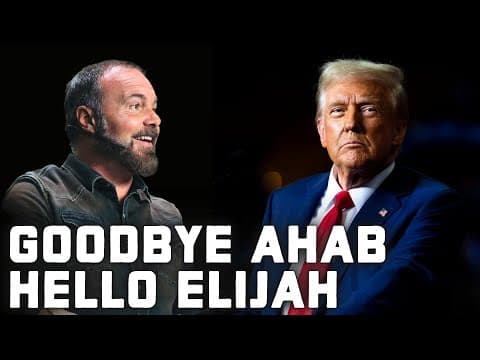
The dialogue transitions into a deeper exploration of the speaker's background in political activism, emphasizing a Christian worldview. With nearly two decades of experience, the speaker reflects on how their faith has influenced their political engagement. They recount a pivotal moment when they were offered a position with Donald Trump’s campaign, illustrating the intertwining of faith and politics in their journey.
The speaker attributes their unexpected career trajectory to the sovereignty of God, highlighting a sense of divine purpose in their life. They share personal anecdotes about their humble beginnings, emphasizing that their success is not a result of their own efforts but rather a manifestation of God’s plan.
As the conversation shifts to the current political climate, the speaker discusses the challenges faced by the evangelical community. They note a decline in Trump’s support among evangelicals and minorities, suggesting a need for a renewed focus on the core values that define the Christian faith.
The discussion emphasizes the critical role of church leaders in guiding their congregations through turbulent times. The speaker expresses concern that many pastors are failing to rise to the occasion, potentially jeopardizing the future of the church’s influence in society. They argue that without strong leadership, the church risks losing its voice in the cultural conversation.
The conversation highlights a significant cultural shift, particularly among young men seeking purpose and identity. The speaker notes a resurgence of interest in traditional masculinity and biblical values, suggesting that this could be a pivotal moment for the church to reclaim its influence.
The speaker argues that the church must step into the void left by a secular society, providing guidance and direction to those seeking truth. They emphasize the importance of discipleship and catechesis, asserting that the church is uniquely equipped to fill this role in a Godless culture.
As the conversation draws to a close, the speaker reflects on the potential for a new era of hope and responsibility. They urge Christians to take action, emphasizing that while political leaders can provide opportunities, it is ultimately up to individuals to step up and fulfill their responsibilities within their families and communities.
In conclusion, the dialogue serves as a call to action for Christians to engage actively in the cultural and political landscape. The speaker encourages believers to embrace their roles as leaders and influencers, reminding them that the future of America depends on their willingness to stand firm in their faith and values. As the nation navigates this new chapter, the hope is that the church will rise to the occasion, guiding society toward a brighter future.