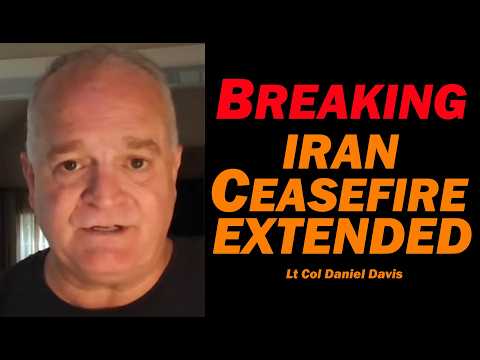
As the Iran ceasefire deadline approaches, Iran shows no fear and continues military displays, while the US, under President Trump, faces ammunition shortages and political pressure. The ceasefire has been extended indefinitely to allow Iran to unify its proposal, highlighting the complex geopolitical and economic stakes, including global oil supply disruptions and potential retaliations.
As the ceasefire between the United States and Iran nears its expiration, the situation remains tense and complex. The ceasefire was set to expire at midnight Washington DC time, but recent developments indicate an indefinite extension. This article explores the unfolding events, the positions of both sides, and the broader implications for regional stability and global economics.
Earlier tonight, in downtown Tehran, Iran held a large celebration, signaling confidence rather than fear. Videos showed missile launchers and carriers parading through the streets, with people riding on them as if in a parade float, seemingly taunting the West. This display was a clear message that Iran is prepared for whatever comes next and is unafraid of potential attacks.
The Iranian public and leadership alike are showing no signs of cowering. Flags waved in the streets, and the atmosphere was one of readiness and defiance. This public sentiment is echoed by Iranian leaders who emphasize their refusal to bow to coercion.
President Trump, in a CNBC interview, indicated a readiness to resume bombing if negotiations fail. He expressed confidence in the US military's capabilities, stating that the US is "totally loaded up" with ammunition and more powerful than weeks ago. However, he also acknowledged the limited time left for negotiations and seemed to expect combat operations to resume if no deal is reached.
Despite these threats, the US Vice President and other key officials have indefinitely delayed their planned visit to the region, signaling a pause in diplomatic efforts.
Iranian President Pzkian highlighted the deep historical distrust towards the US and criticized the contradictory approach of US officials, accusing them of seeking Iran's surrender. He affirmed that the Iranian people will not submit to coercion.
The IRGC leader issued a stark warning, ordering all personnel and ships in the Arabian Gulf and nearby countries to evacuate immediately, especially near the Strait of Hormuz, indicating preparations for potential conflict escalation.
Abbas Iraqi, another Iranian official, condemned the US blockade and seizure of commercial vessels as acts of war and violations of the ceasefire.
The US faces significant ammunition shortages in critical categories such as JASMs, SM2s, SM3s, SM6s, Tomahawk cruise missiles, and defensive systems like PAC-3 and THAAD. This shortage limits the US's ability to sustain prolonged combat operations.
Iran has made clear its intent to retaliate if attacked, targeting ships in the Gulf and critical infrastructure. Such actions could escalate the conflict and disrupt global oil supplies further.
The ongoing conflict and blockade have already caused disruptions in oil supply, leading to increased fuel prices and economic strain worldwide. Countries in Asia, Africa, and Europe are experiencing fuel shortages and rationing measures. Fertilizer shortages threaten agricultural output, potentially leading to food price inflation and shortages.
Market manipulation has masked the true cost of oil, with a significant disparity between paper prices and actual prices paid at terminals. This manipulation is expected to end soon, likely causing oil prices to spike further.
President Trump faces intense pressure from political allies and opponents alike. Some urge a hardline approach to destroy Iran's capabilities, while others caution against escalating a conflict that could have severe consequences.
The indefinite extension of the ceasefire, prompted by requests from Pakistan's leadership, suggests a recognition of the fractured Iranian government and the need for a unified proposal before further action.
Iran remains firm on its demands: lifting sanctions, unfreezing funds, retaining control over nuclear material reprocessing, and control of the Strait of Hormuz. These positions have not changed despite the extended ceasefire.
The extension of the Iran ceasefire reflects a complex interplay of military readiness, political calculations, and economic pressures. Both sides appear entrenched in their positions, with Iran showing resilience and the US grappling with logistical and political challenges.
The global community watches closely as the situation evolves, aware that the stakes extend beyond the immediate region to global energy markets and economic stability.
The coming days and weeks will be critical in determining whether diplomacy can prevail or if the conflict will escalate further, with profound consequences for all involved.
This analysis aims to provide a comprehensive understanding of the current state of the Iran ceasefire and the multifaceted issues surrounding it. Stay informed and critically engaged as events continue to unfold.