The recent attack by Iran on an Indian vessel in the Strait of Hormuz represents a setback in ongoing negotiations but does not signify a collapse of diplomatic efforts or control over the strategic waterway. The incident reflects internal power struggles within Iran and the complex nature of Middle Eastern geopolitics, with continued negotiations and pressure expected to persist.
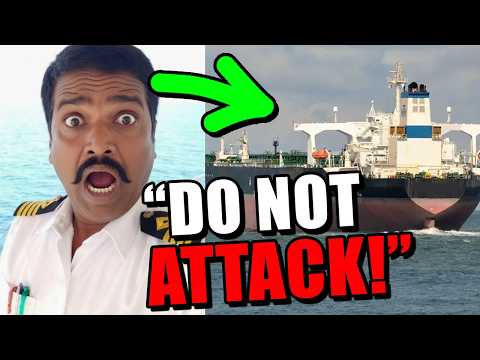
Recent events in the Strait of Hormuz have sparked significant concern and debate. An Indian vessel was reportedly attacked in this strategic waterway, allegedly by an Iranian fast-attack craft. This incident has led to heightened tensions and emotional reactions across social media and political spheres. However, a deeper analysis reveals that while this is a setback, it does not fundamentally alter the ongoing diplomatic efforts or control over the Strait.
The Strait of Hormuz is a critical maritime chokepoint through which a significant portion of the world's oil supply passes. Control and security of this waterway are vital for global trade and energy markets. Iran has historically used the Strait as leverage in geopolitical negotiations, sometimes threatening to close it to exert pressure.
A leaked audio recording from the Indian vessel involved in the incident reveals confusion and urgency during the attack. The vessel was given clearance to proceed but was then confronted by hostile actions, prompting a call to turn back. Fortunately, the attack resulted in minimal damage and no injuries.
US Navy warships were involved in monitoring the situation, requesting vessels to return to their original ports and maintaining a presence to ensure maritime security.
Despite the attack, control over the Strait of Hormuz remains firmly in the hands of international forces, including the US Navy. The incident is characterized as a "rogue attack" by a small Iranian vessel, which is not indicative of a broader strategic shift or loss of control.
Iran's political landscape is fragmented, with no single dominant leader. Reports suggest that the current Ayatollah may be incapacitated or deceased, leading to uncertainty and power struggles among various factions, including political representatives, religious leaders, and the Islamic Revolutionary Guard Corps (IRGC).
Some moderate figures within the Iranian regime, such as Foreign Minister Arachi and President Massud Peshkian, appear to be negotiating with the United States and advocating for a more pragmatic approach. Conversely, hardline elements within the IRGC are resisting these efforts, even calling for the execution of negotiators.
The conflicting statements from Iranian state media and propaganda outlets reflect this internal discord. While some officials promise security and cooperation, others issue threats and deny commitments, creating confusion both domestically and internationally.
Negotiating a ceasefire and a lasting resolution with Iran is a slow and complicated process. Setbacks like the recent attack are expected and do not signify failure. Patience and continued pressure are essential to achieving progress.
President Trump has downplayed the incident, describing Iran's actions as "getting a little cute" and asserting that Iran cannot blackmail the United States. He emphasizes ongoing conversations and negotiations, suggesting that the situation is "working out very well."
Global shipping routes are already adapting to the tensions, with some commercial flight paths being canceled due to jet fuel insecurities. European nations, heavily reliant on jet fuel, may be forced to reconsider their stance due to dwindling supplies.
The attack on the Indian vessel in the Strait of Hormuz is a concerning development but should be viewed within the broader context of ongoing diplomatic efforts and internal Iranian dynamics. It represents a "speed bump" rather than a derailment of progress.
The situation remains fluid, with internal Iranian power struggles influencing actions and messaging. Continued vigilance, patience, and strategic pressure are necessary to navigate this complex geopolitical landscape.
Stakeholders and observers should avoid hyperbolic reactions and focus on the long-term trajectory of negotiations and regional stability.
Understanding these nuances is crucial for interpreting the evolving situation in the Middle East and its global impact.