On April 22, 2026, Iran's IRGC fired on vessels in the Strait of Hormuz, maintaining strict control amid US blockade attempts. The US and Israel's military efforts face significant challenges, including depleted missile stockpiles and strong resistance from Hezbollah in Lebanon. Talks between Lebanon and Israel appear ineffective as Hezbollah continues to resist Israeli aggression. The conflict underscores the strategic importance of nuclear disarmament in the region.
On April 22, 2026, the Islamic Revolutionary Guard Corps (IRGC) of Iran fired upon at least three vessels in the Strait of Hormuz, signaling a firm stance on maintaining restrictions in this critical maritime passage. This action highlights Iran's continued control over the Strait despite ongoing US attempts to enforce a blockade. Meanwhile, the US, under the Trump administration, is navigating a complex and often contradictory approach to ceasefire negotiations and regional strategy.
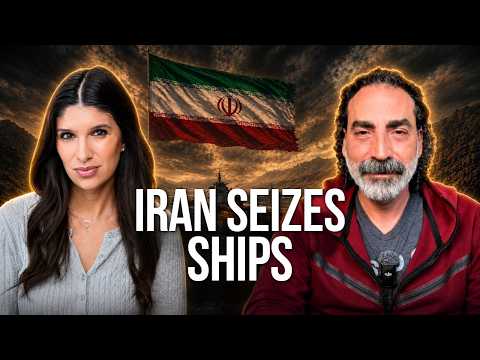
Iran's refusal to send a delegation to Islamabad for further talks, contingent on the US blockade and ceasefire violations, underscores the fragile nature of diplomatic efforts. The IRGC's recent attacks on vessels, including the seizure of two ships and targeting a third, demonstrate Iran's commitment to enforcing its regulations in the Strait.
Despite US efforts, many ships, particularly those from China and other major players, continue to trade with Iran, bypassing the blockade. China's naval presence in the Arabian Sea and its strong diplomatic stance following US boarding of an Iranian ship have deterred further US interference with trade routes.
The blockade primarily affects US allies, disrupting their oil and gas supplies, which ironically harms US interests more than Iran's. This situation places the US in a strategic quagmire, unable to directly engage Iran militarily without risking escalation.
Reports indicate that the US military has significantly depleted its stockpile of key missiles during the conflict, raising concerns about ammunition shortages in potential future conflicts. Advanced munitions like JDAMs and Israel's David's Sling and Arrow defense systems have been heavily utilized, with estimates suggesting around 75% of stockpiles have been expended.
Damage to radar and command centers has further strained defense capabilities, forcing the US to relocate resources globally to fill gaps. These shortages limit the US and Israel's ability to sustain prolonged military engagements in the region.
Lebanon remains a critical front in the conflict. Israel has persistently violated ceasefire agreements, targeting southern Lebanon and occupation forces. Hezbollah has actively responded with rocket and drone attacks into northern Israel, maintaining a robust defense posture.
Recent statements from Hezbollah's leadership emphasize their commitment to responding to every Israeli violation and fighting until all Lebanese territory is liberated from occupation. This stance reflects a continuation of the conflict dynamics seen in previous weeks.
Despite ongoing violence, the US is facilitating talks between the Lebanese government and Israel. However, these negotiations are widely viewed as ineffective, given the Lebanese government's limited authority and opposition to the resistance movements.
US Ambassador Huckabee's involvement, coupled with his controversial remarks supporting Israeli colonization, casts doubt on the sincerity and fairness of these talks. The Lebanese government is perceived as a powerless actor, unable to enforce any agreements reached.
The conflict highlights the diminishing influence of the US in West Asia and the resilience of the Axis of Resistance, which includes Iran and Hezbollah. The US aims to weaken this axis to safeguard its ally, Israel, but faces significant strategic and logistical challenges.
The issue of nuclear weapons remains a critical concern. Iran demands international inspections of Israel's nuclear arsenal, drawing parallels to the disarmament of apartheid South Africa. The presence of nuclear weapons in the region poses a threat of escalation to a nuclear conflict, which all parties seek to avoid.
The ongoing conflict in the Strait of Hormuz and Lebanon reflects a complex interplay of military, political, and diplomatic factors. Iran's steadfast control over the Strait, Hezbollah's active resistance, and the US and Israel's strategic difficulties underscore a volatile situation with global implications.
Efforts toward ceasefire and negotiations continue amid skepticism about their effectiveness. The international community's focus on nuclear disarmament in the region is crucial to preventing further escalation and ensuring long-term stability.
As the situation evolves, the world watches closely, aware that the outcomes will significantly impact regional and global security dynamics.
This article is based on an in-depth discussion with Leifith Maru, Palestinian Syrian journalist and executive director of Free Palestine TV, providing insights into the current state of affairs in West Asia.