Contrary to media hysteria, the US blockade on Iranian oil tankers remains effective, with the US Navy intercepting vessels attempting to bypass sanctions. Iranian propaganda claims about medical supplies on seized tankers are debunked. Despite Iranian bluster, diplomatic talks have resumed, signaling a potential shift in the ongoing conflict under President Trump's administration.
Recent media coverage has been rife with sensational claims about the situation between the United States and Iran, particularly regarding the effectiveness of the US blockade on Iranian oil shipments and the state of diplomatic negotiations. However, a closer examination of the facts reveals a different story—one that highlights the strategic strength of the Trump administration and the US Navy, as well as the ongoing complexities of international diplomacy.
There have been widespread reports suggesting that Iran has successfully circumvented the US blockade through a "shadow fleet" of tankers dodging sanctions. These claims, however, have been debunked by Central Command and shipping data, which indicate that while some ships may have made it through, the majority have not.
The US Navy is only targeting ships that are heading to or coming from Iranian ports. According to Central Command, US forces support freedom of navigation for vessels transiting the Strait of Hormuz to and from non-Iranian ports. The blockade is not positioned directly at the Strait of Hormuz but rather further south, likely in the Gulf of Oman or near the entrance to it. This strategic placement allows ships to cross the Strait but intercepts them before they reach their final destinations.
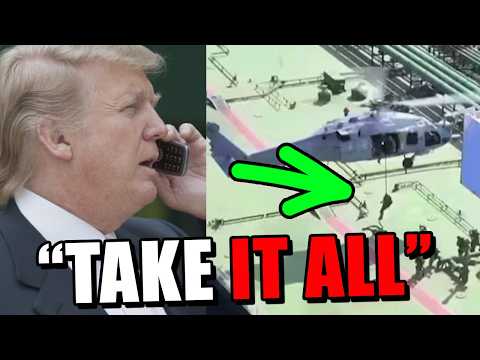
In the past 24 hours, six ships were forced to turn around after crossing the Strait of Hormuz and were directed into Iranian ports in the Gulf of Oman. Notably, a massive oil tanker reportedly carrying 2 million barrels of oil was stopped just before reaching its destination. This demonstrates the US Navy's capability to track and intercept vessels thousands of miles away, including in the Indian Ocean and near China.
The Strait of Hormuz is a narrow passage, approximately 104 miles wide, heavily monitored by numerous US warships. The idea that a large fleet of over 20 Iranian tankers could pass undetected through this narrow channel is implausible. The US Navy's presence and tracking technology make it virtually impossible for such a large-scale breach to occur.
Iranian state media and outlets like Al Jazeera have claimed that the seized US ship was carrying dialysis supplies and medical equipment, attempting to portray the US as a terrorist state harming vulnerable populations. However, the ship in question is an oil tanker with no containers visible, making these claims baseless.
It is highly unlikely that Iran would be shipping medical supplies to China, a global manufacturing hub for such products. Iran's economy is primarily based on oil exports, agriculture, and small-scale manufacturing, not medical supplies. This propaganda appears to be an attempt to flip the narrative and garner sympathy.
Despite Iranian claims of controlling the Strait of Hormuz and the narrative pushed by some leftist media and social platforms, the reality is that the US maintains control over global shipping flows in the region. Recent incidents where Iranian forces seized random ships with speedboats and AK-47s are isolated and do not represent a significant threat to US naval dominance.
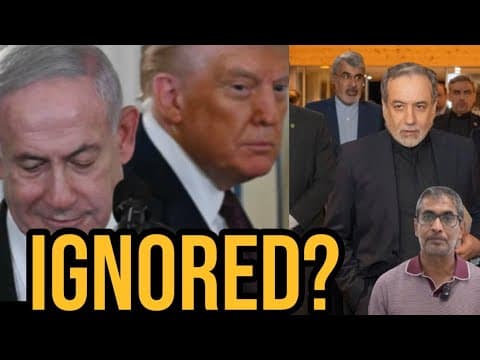
Following a period of heightened tensions and Iranian declarations that they would never negotiate unless the blockade was lifted, talks have resumed in Islamabad, Pakistan. Special Envoy Whit and Jared Kushner are set to engage in direct talks with Iranian representatives, intermediated by Pakistani officials.
Reports indicate that the Speaker of the Iranian Parliament, Galibbath, has been removed from the negotiation team, replaced by Foreign Minister Archi, who is considered a more rational actor. This shift could signal a move towards more constructive diplomacy, although the situation remains fluid and unpredictable.
The US blockade can continue indefinitely, exerting sustained pressure on Iran's economy and forcing Tehran to make critical decisions in the coming weeks. Iran's options are limited: either come to the negotiating table and accept terms or face intensified US military actions.
President Trump's administration has demonstrated resolve and strategic acumen in managing this complex situation, calling Iran's bluff and maintaining control over the critical maritime chokepoint.
The narrative of a failed US blockade and Iranian dominance in the Strait of Hormuz is largely a product of misinformation and propaganda. The US Navy's effective enforcement of sanctions and control over shipping lanes, combined with the resumption of diplomatic talks, underscores the strength and flexibility of the Trump administration's approach.
As the situation evolves, it remains clear that patience, strategic pressure, and diplomatic engagement are key to resolving this ongoing conflict. The coming weeks will be crucial in determining the future trajectory of US-Iran relations and regional stability.
Thank you for reading. Stay informed and critically evaluate the news to understand the full context behind international events.