Richard Wolff analyzes the current economic landscape, highlighting the decline of the US Empire and the rise of China and the BRICS alliance. He discusses the historical context of neoliberal globalization, the consequences of economic policies, and the implications for the future of the United States in a changing global economy.
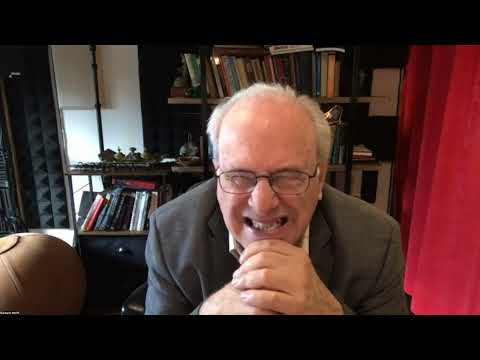
In a recent talk, Richard Wolff addressed the pressing economic realities facing the United States and the world as of November 10, 2024. He emphasized the importance of confronting these realities rather than denying them, particularly in light of recent election results that reflect a significant shift in the global economic landscape.
Wolff began by asserting that we are at a major transition point in history, both for the United States and globally. He characterized the last 50 years as dominated by neoliberal globalization, a term that encapsulates the economic policies initiated by leaders like Ronald Reagan and Margaret Thatcher. This era marked a departure from the New Deal principles that had previously aimed to humanize capitalism through government intervention.
The New Deal established crucial social safety nets, including Social Security, minimum wage laws, and unemployment insurance, funded by taxes on corporations and the wealthy. Wolff reminded the audience that such taxation is not only possible but historically successful, as evidenced by Franklin Roosevelt's presidency, which saw him elected three times due to his popularity among the masses.
Since the 1970s, however, there has been a concerted effort to roll back these protections. The mantra shifted from government intervention to deregulation, allowing corporations to pursue profits wherever they could, particularly in countries like China, where labor costs were significantly lower. This exodus of American corporations to China has resulted in a hybrid economic model that has outpaced the US economy in growth.
Wolff highlighted that China has experienced unprecedented economic growth, with GDP increasing between 6% and 9% annually over the past three decades, compared to the US's 2% to 3%. This growth has positioned China as a formidable economic competitor, a reality that many Americans are still grappling with.
Moreover, China has formed alliances with other emerging economies through the BRICS coalition, which includes Brazil, Russia, India, China, and South Africa. Recently, this group expanded to include 13 additional countries, representing over half of the world's population and a significant portion of global economic output. In contrast, the US and its allies, known as the G7, now represent only a fraction of the global economy.
Wolff pointed out that the American public is largely in denial about these changes. He likened this denial to a child covering their eyes in fear, believing that if they cannot see the problem, it does not exist. He argued that this mindset is dangerous, as it prevents the nation from addressing its declining status and the implications of its economic policies.
The consequences of this denial are evident in various aspects of American life, including rising inflation and stagnant wages. Wolff noted that the federal minimum wage has not been raised since 2009, leaving many workers unable to afford basic necessities. In contrast, wages in China have quadrupled during the same period, highlighting the growing inequality in the US.
Wolff concluded by warning that the refusal to confront these economic realities could lead to a frightening future for the United States. He criticized political leaders for their failure to address the decline of the American Empire and the need for a realistic assessment of the country's position in the world.
He emphasized that the current political discourse often distracts from the real issues at hand, with leaders like Donald Trump using rhetoric that appeals to fear rather than addressing the underlying economic challenges. Wolff argued that the real problems facing the US economy stem from structural issues rather than scapegoating immigrants or proposing tariffs, which ultimately burden American consumers.
In closing, Wolff called for a candid discussion about the future of the United States in a rapidly changing global landscape. He urged Americans to move beyond denial and recognize the profound changes occurring, advocating for a realistic approach to navigating the challenges ahead. The implications of these discussions are critical, as the world watches how the US adapts to its new role in a multipolar economic environment.