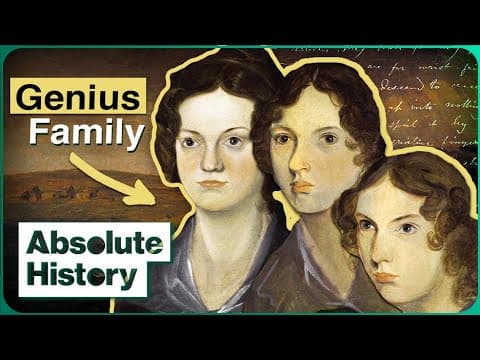
This blog post explores the lives of the Brontë sisters, their upbringing in the West Yorkshire Moors, the inspiration behind their iconic novels, and the tragic events that shaped their lives and works. It details a four-day walking journey through Brontë country, highlighting key locations and the sisters' literary contributions.
The Brontë sisters, Charlotte, Emily, and Anne, are celebrated as some of England's greatest literary figures. Their novels, including Jane Eyre and Wuthering Heights, have captivated readers for generations. This blog post takes you on a four-day walking journey through the West Yorkshire Moors, exploring the landscapes that inspired their writing and the tragic events that shaped their lives.
Our journey begins in Thornton, a small village just four miles from Bradford. Here, at 77 Market Street, the Brontë story commenced. The house, now a coffee shop, bears a simple plaque marking the birthplace of the sisters and their brother Branwell. The Reverend Patrick Brontë, their father, moved the family to Howarth in 1820, seeking a better life for his children.
Howarth was a bustling township by the time the Brontës arrived, with 18 textile mills employing thousands. The family home, a parsonage overlooking the graveyard, became a sanctuary for the children. However, the village was plagued by disease, and the average life expectancy was just 25 years. The harsh realities of life in Howarth would profoundly impact the Brontë sisters.
On the second day, we venture onto the Moors, where the sisters found solace and inspiration. The wild landscape was a backdrop for their imaginative worlds. The Brontë children created intricate stories and characters, escaping the grim realities of their lives.
A notable stop is the Brontë Chair, a legendary spot where the sisters are said to have sat and composed their stories. Nearby, the Brontë Falls, described by Charlotte in a letter, offer a glimpse into the beauty that inspired their writing.
As we continue our journey, we explore the themes of love and hardship that permeate the sisters' works. Charlotte's experiences as a governess in Brussels led her to write Jane Eyre, a novel that challenged societal norms and showcased a passionate female protagonist.
Charlotte drew from her own life, infusing her characters with depth and emotion. The fictional Thornfield Hall, where much of Jane Eyre takes place, is believed to be inspired by real locations in the area, including Waikolar Hall.
The final day of our journey brings us back to Howarth, where the tragic fate of the Brontë family unfolds. Branwell's struggles with alcoholism and the early deaths of Emily and Anne left Charlotte as the sole survivor. Despite her success, Charlotte faced immense grief and pressure.
Charlotte's marriage to Arthur Bell Nicholls in 1854 brought her some happiness, but it was short-lived. She died shortly after giving birth, leaving behind a legacy that would forever change English literature. The Brontë sisters' works continue to resonate, drawing tourists and literary enthusiasts to their home in Howarth.
The Brontë sisters' lives were marked by tragedy, yet their literary contributions have endured the test of time. Their stories, set against the backdrop of the West Yorkshire Moors, reflect the complexities of love, loss, and the human experience. As we walk through Brontë country, we not only trace their footsteps but also celebrate their remarkable legacy that continues to inspire generations of readers.