Johan Norberg argues that globalization is a powerful force for good, lifting millions out of poverty and fostering democracy. He highlights success stories from Taiwan and Vietnam, contrasting them with the struggles of countries like Kenya that resist global integration. Norberg asserts that the anti-globalization movement, while well-intentioned, ultimately harms the very people it seeks to protect by advocating for restrictions that stifle economic growth.
In recent years, millions have joined the anti-globalization movement, believing they are defending democracy and freedom against the spread of global capitalism. While the desire for a better world free from poverty and injustice is commendable, Johan Norberg argues that good intentions alone do not create a better world. In his exploration of globalization, he presents a compelling case for why the anti-globalization movement is not only misguided but also dangerously wrong.
Protesters often claim that globalization exacerbates poverty, but Norberg counters this assertion with historical evidence. He notes that all countries were once poor, and it is only in the modern era that many have begun to escape destitution. Over the past 50 years, three billion people have been lifted out of poverty, a feat that is historically unique. Norberg believes that global capitalism has the potential to make the entire world as wealthy and free as Europe is today, provided that countries embrace it.
Norberg embarks on a journey to illustrate the benefits of globalization, starting with Taiwan. Just 30 years ago, Taiwan was poorer than many African nations, with widespread malnutrition and no natural resources. However, after embracing globalization and implementing land reforms, Taiwan experienced a dramatic transformation. Poverty rates were cut by more than half, and real wages increased tenfold over 40 years. This success story exemplifies how globalization can lead to wealth and democracy.
Land reform was crucial in Taiwan's economic development. By redistributing land from the elite to the population, the government incentivized productivity. Mr. Wang, a former farmer turned millionaire, illustrates this transformation. His family's journey from poverty to wealth reflects Taiwan's broader economic success, driven by industrialization and globalization.
As Taiwan industrialized, competition for labor increased, leading to rising wages and the emergence of innovative companies like Acer. The deregulated economy fostered an environment where businesses could thrive, ultimately improving living standards across the nation. Norberg emphasizes that globalization breeds a middle class with a vested interest in economic freedom and democracy.
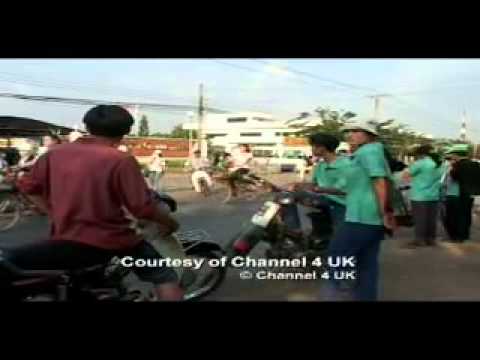
Norberg's journey continues in Vietnam, where he visits a Nike factory often criticized by anti-globalization activists. He argues that while sweatshops are not ideal, they are a necessary stage in a country's industrialization. The factory provides jobs, training, and a pathway out of poverty for many workers. Contrary to popular belief, multinationals like Nike contribute to wealth and freedom in developing countries.
The average wage in Nike's factories is significantly higher than the local minimum wage, and the company invests in worker training and education. Norberg highlights that the presence of multinationals stimulates local economies, creating jobs and improving living conditions. The anti-globalization movement's calls for boycotts could jeopardize these opportunities for workers.
In stark contrast to Taiwan and Vietnam, Norberg examines Kenya, where over one-third of the population lives in absolute poverty. He attributes this to the country's resistance to globalization and lack of property rights for farmers. Without ownership, farmers lack the incentive to invest in their land, stifling economic growth.
Kenya's bureaucratic hurdles and export restrictions further hinder its economic potential. Norberg argues that the barriers to globalization, both domestic and international, prevent countries like Kenya from thriving. He points out that rich countries impose high tariffs on agricultural products, limiting the opportunities for developing nations to compete in global markets.
Norberg criticizes wealthy nations for their protectionist policies, which stifle the growth of developing countries. He argues that if rich countries reduced tariffs and subsidies, it would allow developing nations to compete and prosper. The United Nations estimates that such reforms could generate $450 billion annually for developing countries, far exceeding current aid levels.
The anti-globalization movement, while well-intentioned, poses a significant threat to the progress of developing nations. Norberg urges readers to reconsider their stance on globalization and advocate for the removal of barriers that prevent economic growth. He believes that global capitalism can eradicate poverty if given the chance, as evidenced by the success stories of Taiwan and Vietnam. The future of global poverty hinges on whether the world's excluded will be allowed to participate in the global economy.





