This blog post explores the intricate relationship between the PKK, regional politics, and international influences, highlighting the historical context, sociopolitical implications, and the ongoing struggle for territorial integrity in Turkey and its neighboring regions.
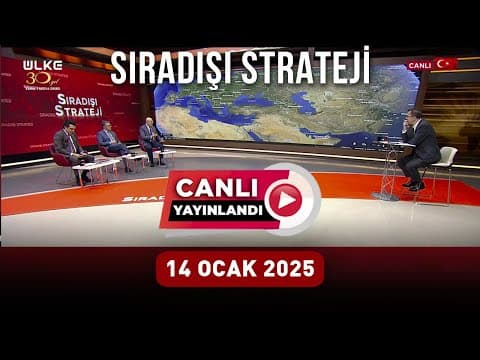
In a recent live broadcast on January 14, 2025, significant discussions unfolded regarding the PKK (Kurdistan Workers' Party), its impact on Turkey, and the broader geopolitical landscape. The conversation highlighted the historical grievances, the sociopolitical ramifications of the PKK's actions, and the international dynamics at play.
The PKK has been a significant player in Turkey's political landscape for over 50 years, causing immense loss of life and disruption. The organization is often compared to other groups like FETÖ (Fethullah Terrorist Organization), which has also contributed to Turkey's challenges through different means. The PKK's existence has hindered Turkey's progress, necessitating its eradication for the country's advancement.
The Turkish government has recognized the need for a multifaceted approach to combat the PKK. This includes strengthening the military sector, which has seen hundreds of operations targeting PKK strongholds. These operations are not merely military actions but are complemented by enhanced intelligence capabilities, leading to significant advancements in the fight against terrorism.
Beyond military efforts, there is a sociological aspect to consider. The PKK has fostered a climate of armed conflict that has allowed various political groups to emerge, feeding off the chaos. The Turkish government has initiated sociological plans to dismantle these groups, not only within Turkey but also in neighboring countries like Iraq, Syria, and even in Europe.
The PKK's political ambitions include establishing a separatist structure, aiming for autonomy and eventually independence, which poses a direct threat to Turkey's territorial integrity. The organization has received backing from international players, complicating the situation further. The historical context of events like the Kobani protests and the subsequent rise of separatist sentiments illustrates the PKK's ongoing influence.
The United States has played a controversial role in the region, often perceived as supporting Kurdish aspirations, which has exacerbated tensions. Statements from U.S. officials have indicated a willingness to support the establishment of a Kurdish state, further complicating Turkey's security concerns.
The geopolitical landscape is further complicated by the actions of neighboring countries and their relationships with the PKK. The dynamics in Syria, particularly the U.S. support for groups like the YPG (People's Protection Units), have significant implications for Turkey's national security. The ongoing conflict in Syria has transformed into a battleground for various interests, with Turkey striving to maintain its territorial integrity amidst external pressures.
To address the PKK issue effectively, Turkey must adopt a comprehensive strategy that encompasses military, sociological, and political dimensions. This includes not only military operations but also addressing the root causes of the conflict, fostering dialogue, and promoting integration within the affected communities.
The discussions emphasize the necessity for national unity in combating the PKK and its affiliates. The Turkish government must work towards a cohesive strategy that involves all segments of society, ensuring that the fight against terrorism is seen as a collective effort rather than a divisive issue.
The complexities surrounding the PKK and its impact on Turkey and the region are profound. As the situation evolves, it is crucial for Turkey to navigate these challenges with a clear understanding of the historical context, the sociopolitical landscape, and the international dynamics at play. The path forward requires a balanced approach that prioritizes national security while fostering social cohesion and regional stability.