Chapter 13 of Chinua Achebe's Things Fall Apart explores the themes of fate, violence, and cultural customs through the tragic events surrounding the funeral of Ezeudu and Okonkwo's subsequent exile. The chapter highlights the complexities of Igbo traditions and the consequences of unintentional actions within a warrior culture.
In Chapter 13 of Chinua Achebe's seminal novel, Things Fall Apart, the narrative takes a dark turn as it delves into themes of fate, violence, and the rigid customs of Igbo society. This chapter is pivotal as it marks a significant turning point in the life of the protagonist, Okonkwo, following a series of tragic events that lead to his exile.
The chapter opens with the news of the death of Ezeudu, the respected old warrior who had previously warned Okonkwo against participating in the execution of Ikemefuna. This warning haunts Okonkwo, as he recalls Ezeudu's words: "That boy calls you father; bear no hand in his death." Ezeudu's status as the oldest warrior in the village is reflected in the grandeur of his funeral, which is marked by traditional rituals including drumming, gunfire, and the display of machetes.
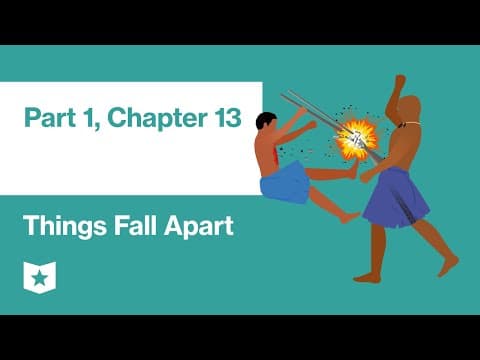
As the funeral progresses, the atmosphere becomes increasingly intense. Okonkwo, caught up in the fervor, joins the other men in firing their guns as a tribute to Ezeudu. However, tragedy strikes when Okonkwo's gun unexpectedly explodes, resulting in the death of Ezeudu's 16-year-old son. This accidental killing is a grave offense against the Earth goddess, leading to severe repercussions for Okonkwo.
Due to the accidental nature of the killing, Okonkwo is sentenced to exile for seven years, during which he must leave his village and relocate to his mother’s village, Mbanta. The community's response to the incident is swift and brutal; neighbors storm Okonkwo's compound, destroying it as a symbolic act of cleansing the land that has been tainted by the blood of a clan member. This act is performed to honor the Earth goddess, emphasizing the community's adherence to traditional customs.
Among those participating in the cleansing is Obarika, a character who embodies thoughtfulness and introspection. He questions the necessity of the traditional cleansing ritual, arguing that the killing was an accident and should not warrant such severe punishment. Obarika's character serves as a voice of reason, highlighting the conflict between individual thought and communal customs.
Achebe uses this chapter to explore the complexities of Igbo culture, particularly the role of violence within it. The community's use of controlled violence during ceremonial events reflects their warrior culture, where such acts are often intertwined with religious significance. However, the accidental nature of Okonkwo's crime is viewed as a "female" act, suggesting a deeper commentary on gender roles and the perception of strength and weakness within the society.
Chapter 13 of Things Fall Apart encapsulates the tragic consequences of fate and the rigid adherence to cultural customs in Igbo society. Okonkwo's exile serves as a poignant reminder of how unintentional actions can lead to profound upheaval in one's life. Through the lens of this chapter, Achebe invites readers to reflect on the complexities of tradition, the nature of violence, and the often harsh realities of cultural expectations. The narrative not only highlights Okonkwo's personal struggles but also serves as a broader commentary on the societal norms that govern the lives of the characters within the novel.