The U.S. housing market is experiencing a historic decline in buyer demand, with mortgage applications dropping by 63% from pandemic peaks. This has led to price cuts in many states, yet home prices remain historically high. The Federal Reserve's interest rate cuts have not alleviated the situation, and predictions suggest mortgage rates will remain elevated through 2025, impacting affordability and buyer sentiment.
The U.S. housing market is currently facing unprecedented challenges, marked by a significant drop in home buyer demand. This blog post explores the factors contributing to this situation, the implications for home prices, and what the future may hold for potential buyers.
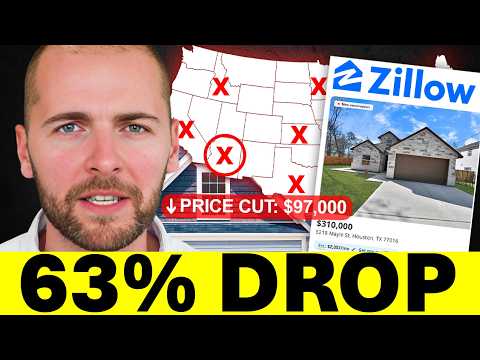
Recent data reveals that mortgage applications for home purchases have plummeted by 63% from their pandemic peak. This drastic decline indicates that the spring housing market is likely to be characterized by numerous empty open houses and substantial price cuts. In fact, the median list price for homes across America has decreased year-over-year in about 50% of states.
Despite these initial price declines, the overall housing market remains in what many experts describe as the biggest bubble in history. A concerning trend is the increasing annual income required to qualify for a mortgage. Currently, Americans need to earn approximately $110,000 to qualify for most mortgages, a level never seen before in U.S. history.
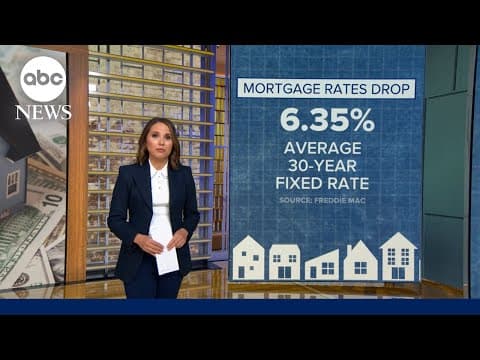
The Federal Reserve (Fed) had anticipated that cutting interest rates would lead to lower mortgage rates and increased housing affordability. However, since the Fed began cutting rates in mid-September, mortgage rates have surged to 7.26%, one of the highest levels in the past two years. This situation raises concerns about the Fed's control over the economy and interest rates, as the bond market appears to be dictating terms instead.
The Mortgage Bankers Association reported a mortgage application index of 128 for the first week of January, reflecting a 14% decrease from the same week in 2024 and a staggering 52% drop compared to pre-pandemic levels in 2020. This decline in buyer demand is leading to longer days on the market for homes, particularly in states like Florida, where the average days on market has risen to 79 days, the highest in a decade.
As buyer demand wanes, sellers are facing the reality of having to adjust their expectations. Many homes are sitting on the market for extended periods, leading to downward pressure on prices. In some markets, price growth has turned negative year-over-year. Areas with the lowest price forecast scores are particularly vulnerable to price declines.
Looking ahead to 2025, predictions suggest that mortgage rates will likely remain above 6.5%, barring a significant economic downturn. While there may be slight decreases in rates, potential home buyers should not expect substantial relief. A recent poll indicated that 66% of respondents believe it is a bad time to buy a house, reflecting widespread pessimism about the housing market.
Historically, mortgage rates around 7% are not unprecedented; however, the current home prices are extraordinarily high. An analysis of inflation-adjusted home prices over the past 134 years shows that today’s prices are nearly 80% above the long-term average. This disparity between mortgage rates and home prices is a significant factor contributing to the current housing crisis.
Forecasts indicate that certain states, such as Florida and Texas, are likely to experience further price declines due to shifting supply and demand dynamics. In Florida, the price forecast score has dropped to 38 out of 100, indicating a bearish outlook. Similarly, Texas is seeing an increase in inventory, leading to a score of 39.
However, it is crucial to analyze housing markets at a more granular level. Neighborhood-level data can reveal significant differences in price trends within the same metropolitan area. For instance, while prices in Manhattan may be forecasted to decline, neighboring areas in New Jersey are expected to see price increases.
The U.S. housing market is undergoing a significant transformation, driven by a combination of high home prices, rising mortgage rates, and declining buyer demand. As we move into 2025, potential home buyers should remain cautious and informed about market trends. Understanding local market dynamics and utilizing tools like the Reventure app can provide valuable insights into future price movements and help buyers make informed decisions in this challenging environment.