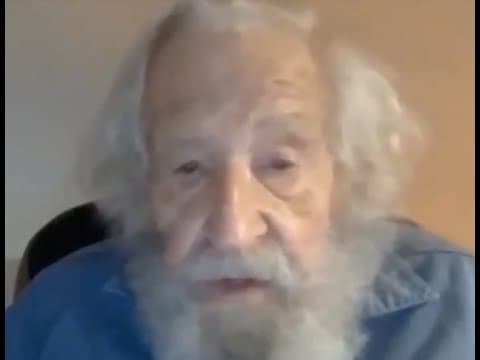
Noam Chomsky emphasizes the urgent need for action to avert environmental catastrophe, highlighting the political and institutional forces undermining organized human life. He discusses the moral implications of human intelligence and the existential threats posed by climate change and nuclear war, urging the current generation to lead the way in addressing these challenges.
In a recent conference, Noam Chomsky addressed the critical moment humanity faces, emphasizing that decisions made today will shape the future of human history. He argues that we are at a unique juncture where immediate action is necessary to avert catastrophic environmental destruction.
Chomsky highlights the severe crisis unfolding in Washington, D.C., the center of power in the world. He points out that the actions taken in this political arena will have profound implications for the fate of the planet. A recent article by Carol Davenport in the New York Times outlines a long-standing campaign aimed at undermining organized human life on Earth, orchestrated by a coalition of fossil fuel industries, financial institutions, and political entities.
This campaign, according to Chomsky, is meticulously planned and has been in motion for years. It involves not only the fossil fuel industry but also banks, legal communities, and international organizations like NATO, which has shifted its focus post-Cold War to protect energy infrastructure. The political base for this campaign is primarily found within the Republican Party, which has resisted climate action since 2009, largely due to the influence of powerful entities like the Koch brothers.
Chomsky warns that the Supreme Court is poised to consider a case that could significantly hinder the government's ability to implement measures against fossil fuel use and environmental degradation. This legal battle is part of a broader strategy to maintain the status quo, which favors the interests of the fossil fuel industry over the health of the planet.
The current crisis is exacerbated by rising gasoline prices, a situation that has led to a troubling alliance between fossil fuel companies and weapons manufacturers. Instead of pivoting towards sustainable energy solutions, the focus has shifted to maximizing profits at the expense of environmental health. Chomsky suggests that turning fossil fuel producers into public utilities could be a viable solution, allowing for government intervention to mitigate the crisis.
Beyond the immediate environmental concerns, Chomsky delves into deeper philosophical questions about human nature and intelligence. He reflects on the unique capabilities of humans—particularly our ability to think and communicate—and how these traits have historically enabled both creation and destruction.
Chomsky introduces the concept of the "dread gap," which refers to the disparity between our technical ability to destroy and our moral capacity to control that impulse. This gap has been evident throughout history, particularly since the advent of nuclear weapons. The atomic bombings of Hiroshima and Nagasaki serve as stark reminders of humanity's potential for self-destruction.
The Doomsday Clock, which symbolizes the threat of nuclear war and environmental disaster, currently stands at 100 seconds to midnight. This alarming position reflects the growing concerns over global warming, nuclear proliferation, and the deterioration of rational discourse in society. Chomsky argues that without a commitment to rational dialogue and moral responsibility, humanity risks crossing a point of no return.
Chomsky also addresses the Fermi Paradox, which questions why, given the vast number of potentially habitable planets, we have not encountered other intelligent life forms. One proposed explanation is that advanced civilizations may have self-destructed before they could communicate with others. This raises critical questions about the nature of intelligence and the inherent risks it poses.
Chomsky concludes with a powerful message: the current generation holds the fate of humanity in its hands. The choices made today will determine whether we can avert disaster or succumb to a grim future. He urges individuals to take the lead in developing and implementing solutions to the challenges we face, emphasizing that the means to create a sustainable future are within reach. The time for action is now, and the responsibility lies with us to ensure the survival of organized human life on Earth.