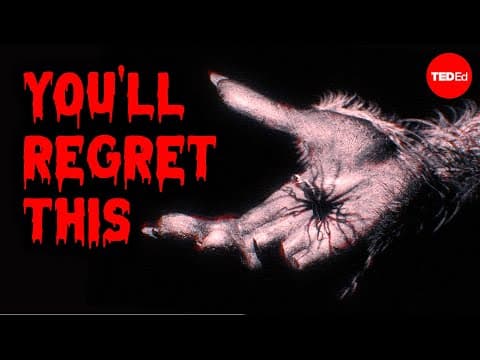
'The Monkey's Paw' by W.W. Jacobs explores the dark consequences of wish fulfillment through the tragic story of the White family, who learn that meddling with fate can lead to devastating outcomes.
In the realm of classic literature, few stories encapsulate the theme of unintended consequences as effectively as W.W. Jacobs' 1902 short story, "The Monkey's Paw." This tale serves as a cautionary narrative about the dangers of tampering with fate and the dire repercussions that can arise from seemingly innocent wishes.
The story opens on a stormy night, with Mr. and Mrs. White and their son, Herbert, gathered by the fire. The atmosphere is tense, filled with anticipation as they await the arrival of an old friend, Sergeant-Major Morris. When he arrives, he brings with him not just stories of adventure, but also a mysterious artifact: a mummified monkey's paw.
Sergeant-Major Morris reveals that the monkey's paw has the power to grant three wishes to three different men, a gift bestowed by a holy man to teach the consequences of meddling with fate. The sergeant recounts the tragic fate of the paw's previous owners, including the first man who wished for death after realizing the grave implications of his desires. Despite the sergeant's warnings, Mr. White is intrigued and persuades him to part with the paw.
After Morris departs, Herbert jokingly suggests that Mr. White should wish for the money to pay off their mortgage. In a moment of lightheartedness, Mr. White wishes for £200. However, the moment he makes the wish, the paw curls in his hand, foreshadowing the dark turn of events to come.
The following day, the family’s mundane routine is shattered when a man arrives at their home with devastating news: Herbert has died in a workplace accident. The company offers the Whites £200 in compensation, the exact amount Mr. White had wished for. This tragic twist reveals the first consequence of their wish, highlighting the story's central theme of unintended outcomes.
Overcome with grief, Mrs. White suggests using the monkey's paw to wish Herbert back to life. Despite Mr. White's reservations about the implications of such a wish, he is ultimately swayed by his wife's desperation. He wishes for their son to return, but the thought of Herbert's mangled body, now buried for ten days, fills him with dread.
Initially, nothing seems to happen, and Mr. White feels a sense of relief, believing the paw to be a mere trinket. However, as a gust of wind extinguishes the candle, a series of ominous knocks at the door begin. The tension escalates as Mrs. White, filled with hope, rushes to open the door, while Mr. White frantically searches for the paw to make a final wish.
As the knocking intensifies, Mr. White realizes the horror of what he has done. In a moment of panic, he makes his third and final wish just as Mrs. White manages to open the door. The door swings open to reveal an empty street, leaving the couple in a chilling silence, underscoring the story's grim conclusion.
"The Monkey's Paw" serves as a powerful reminder of the dangers of wish fulfillment and the unforeseen consequences that can arise from our desires. Through the tragic fate of the White family, Jacobs illustrates that some things are better left untouched, and that meddling with fate can lead to devastating outcomes. This timeless tale continues to resonate, urging readers to consider the weight of their wishes and the potential repercussions that lie beneath the surface of desire.