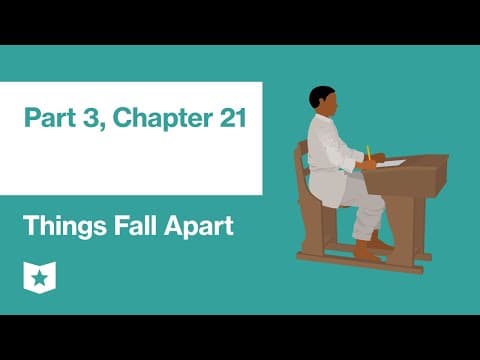
In Part 3, Chapter 21 of Chinua Achebe's Things Fall Apart, the narrative explores the complex changes brought by colonialism, highlighting the duality of progress and loss through the character of Mr. Brown, the missionary, and Okonkwo's struggle with the evolving society.
In Part 3, Chapter 21 of Chinua Achebe's seminal work, Things Fall Apart, the narrative delves into the profound changes that colonialism brings to the Igbo clan of Umuofia. This chapter illustrates the dual nature of these changes, showcasing both the benefits and the losses experienced by the community.
As the chapter unfolds, many members of the clan begin to appreciate certain changes introduced by the white men, particularly the establishment of a trading store and the influx of money into Umuofia through Mr. Brown, the white missionary. This new economic opportunity marks a significant shift in the clan's dynamics, as the villagers start to engage with the new systems brought by colonial influence.
Mr. Brown is portrayed as a patient and understanding figure who approaches the clan with respect. He builds relationships with the clan's leaders, including a man named Akuna, engaging in thoughtful discussions about religion. Rather than attacking the existing beliefs of the Igbo people, Mr. Brown seeks to foster interest in Christianity through constructive means. He constructs a hospital and a school, emphasizing the importance of education for the future of the clan.
Initially, families are hesitant to send their children to the new school, often opting to send only their lazy children or slaves. However, Mr. Brown argues that the future leaders of the land will be those who can read and write. He warns that without educated individuals, the clan risks being led by outsiders. Over time, this message resonates with the families, leading to an increase in enrollment at the school.
The narrative shifts focus to Okonkwo, who returns to Umuofia only to find that the village has changed dramatically. He learns about Mr. Brown's son, Moyer, now called Isaac, and believes this news will please Okonkwo. However, Okonkwo reacts with hostility, driving Mr. Brown away with threats. This interaction highlights Okonkwo's growing alienation from the new reality of his clan.
As the villagers embrace the changes brought by the white men, Okonkwo mourns the loss of the clan's traditional values. He perceives the community as having become soft and emasculated, a stark contrast to the strong, warrior-like society he once knew. The chapter illustrates Okonkwo's internal struggle as he grapples with feelings of powerlessness and nostalgia for a past that seems irretrievable.
Mr. Brown embodies the colonial paradox, representing both positive development and devastating loss. While he promotes education and healthcare, his ultimate goal is the eradication of Igbo traditions and beliefs. The villagers' acceptance of the trading store, the missionary school, and the hospital signifies a shift in their cultural landscape, one that Okonkwo cannot accept.
In a poignant contrast, Nwoye, Okonkwo's son whom he has cursed, adapts to the new society and thrives within it. This development underscores the generational divide and the differing responses to colonial influence. While Okonkwo clings to the past, Nwoye embraces the changes, highlighting the inevitable evolution of culture in the face of external forces.
Part 3, Chapter 21 of Things Fall Apart serves as a critical examination of the impact of colonialism on traditional societies. Through the character of Mr. Brown and the contrasting responses of Okonkwo and Nwoye, Achebe illustrates the complexities of change, progress, and loss. The chapter encapsulates the struggle between maintaining cultural identity and adapting to new realities, a theme that resonates deeply in the context of colonial history.