The perception of Eastern European workers in the UK has shifted dramatically since Brexit, as businesses now face labor shortages and seek to rehire these workers. This article explores the historical context of Eastern European migration, the challenges faced by these countries in joining the EU, and the subsequent economic implications of Brexit on the UK's labor market.
The perception of Eastern Europeans in the United Kingdom has undergone a significant transformation in a remarkably short period. During the 2016 Brexit referendum, many voters cited the influx of migrants as a primary reason for supporting the leave campaign, believing that Eastern Europeans were taking jobs and overburdening public services. However, in the wake of Brexit, many business owners are now calling for these workers to return to the UK to fill critical labor shortages.
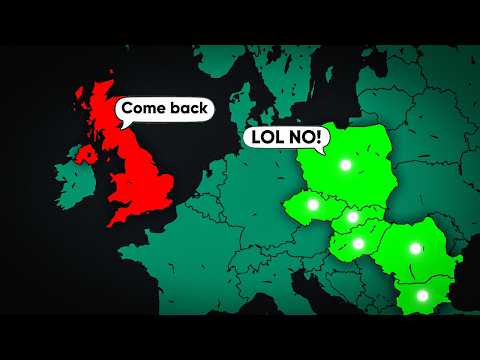
Initially, the sentiment towards Eastern European migrants was largely negative, with the public associating them with job loss and strain on resources. The referendum results reflected a desire to end free movement and restrict immigration from Eastern Europe. Yet, as the UK grapples with labor shortages across various sectors, the narrative has shifted from "send them back" to "please come back."
The relationship between Eastern and Western Europe has been fraught with challenges, particularly regarding the integration of Eastern European countries into the European Union (EU). For instance, Bulgaria's journey to EU membership began in 1995, culminating in its accession in 2007. However, this process was marred by difficulties, including the EU's stringent requirements for rule of law and anti-corruption measures. Despite Bulgaria's efforts to comply, it faced ongoing scrutiny and criticism from the EU post-accession.
Eastern European countries, including Poland and Romania, have historically contributed significantly to the economies of Western Europe. Following their accession to the EU, many citizens migrated to Western Europe in search of better job opportunities, filling essential roles in sectors such as agriculture, construction, healthcare, hospitality, and manufacturing.
The decision for the UK to leave the EU was influenced by various factors, with migration being a prominent issue. A 2017 article highlighted how the influx of Eastern European migrants contributed to rising euroskepticism in the UK. Many British citizens perceived this migration as a threat to their jobs and public services, despite economic studies indicating that migrants generally had a positive or neutral impact on the economy.
The media played a significant role in shaping public perception, often portraying migrants as a burden on public services. This narrative fueled support for euroskeptic parties, ultimately leading to the Brexit vote, where 51% of the population favored leaving the EU.
Following Brexit, Eastern Europeans began to leave the UK, feeling unwelcome in a country that had voted to restrict their movement. For example, the number of Bulgarian nationals in the UK dropped from 121,000 in 2019 to approximately 79,000 in 2021. Similarly, the Romanian population decreased by 18,000 during the same period.
The UK government quickly realized the implications of its decision. Just four months after Brexit, a charter flight carrying Romanian workers was organized to address labor shortages in the agriculture sector, highlighting the urgent need for Eastern European labor.
The COVID-19 pandemic exacerbated labor shortages in the UK, particularly in agriculture, which relies heavily on Eastern European migrants. As travel restrictions were lifted, the UK government sought to recruit these workers to prevent crop losses and ensure food supply. This led to the introduction of a seasonal agricultural workers scheme, offering 10,000 visas, although experts argued that this was insufficient to meet the industry's needs.
The UK government's attempt to encourage local citizens to fill these roles through the "Pick for Britain" campaign ultimately failed, with only 5 to 11% of Britons taking up the available positions. This underscored the reality that the UK was overestimating its ability to operate without Eastern European labor.
The irony of Brexit lies in the realization that the UK, in its quest to reduce reliance on Eastern European workers, has found itself in a position where it desperately needs them back. The initial fears surrounding migration have given way to a recognition of the vital role these workers play in the economy. As the UK navigates the post-Brexit landscape, it must confront the reality of its labor market and the essential contributions of Eastern European migrants.