Alfred Lord Tennyson's poem 'The Lady of Shalott' tells the tragic story of a woman cursed to weave a tapestry of life without ever looking directly at it. Her longing for love and connection leads to her downfall as she defies the curse, ultimately resulting in her death. This blog post explores the themes, characters, and imagery of this iconic poem.
Alfred Lord Tennyson's poem "The Lady of Shalott" is a rich tapestry of imagery and emotion, exploring themes of isolation, love, and the consequences of defying fate. This blog post delves into the poem's narrative, characters, and the profound messages woven throughout its verses.
The poem opens with a vivid description of the landscape surrounding the Lady of Shalott. On either side of the river, fields of barley stretch out, meeting the sky. The road runs by the towered Camelot, where the beauty of nature is juxtaposed with the looming presence of the city. The imagery of water lilies and daffodils creates a serene yet melancholic atmosphere, setting the stage for the Lady's story.
The Lady of Shalott resides in a secluded isle, surrounded by a rose-fenced garden. She is depicted as a figure of beauty and grace, adorned with a pearl garland and dressed royally. However, her life is marked by a curse that forbids her from looking directly at Camelot. Instead, she weaves a tapestry, capturing the world around her through reflections in a mirror. This magical mirror allows her to see the lives of others, yet she remains detached from them.
The curse that binds the Lady of Shalott is central to her existence. She weaves her tapestry day and night, unaware of the true nature of the curse. The poem suggests that her isolation brings her little joy or fear, as she is cut off from the vibrancy of life that flows around her. The villagers and knights pass by, but she can only observe them from a distance, leading to a growing sense of longing and despair.
The narrative takes a pivotal turn with the introduction of Sir Lancelot, a bold knight who rides through the fields. His presence ignites a spark of desire within the Lady. As she gazes upon his reflection in her mirror, she is captivated by his beauty and bravery. This moment of connection compels her to defy the curse, leading her to abandon her loom and venture towards Camelot.
In her moment of rebellion, the Lady of Shalott leaves her web and steps into the world. However, this act of defiance comes at a great cost. The mirror cracks, symbolizing the shattering of her previous existence and the curse that now takes hold of her. The Lady realizes that she has sealed her fate by looking directly at Camelot, and the consequences of her actions become painfully clear.
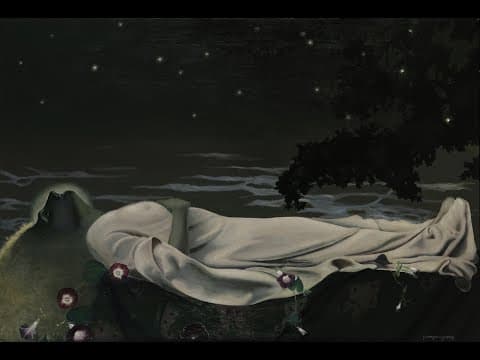
As the storm brews, the Lady of Shalott prepares to leave her isle. Clad in white, she sets out in a boat, drifting down the river towards Camelot. Her journey is marked by a haunting beauty, as she sings her death song, a lament for the life she could have had. The imagery of her floating corpse, pale and serene, contrasts sharply with the vibrant life of Camelot.
Upon reaching Camelot, the Lady's lifeless body is discovered by the inhabitants. They are struck by her beauty and the mystery surrounding her death. The parchment on her breast reveals her identity, and the poem concludes with a sense of loss and reflection on the nature of life and love. The Lady of Shalott becomes a symbol of unfulfilled desire and the tragic consequences of isolation.
Tennyson's "The Lady of Shalott" explores several profound themes:
Alfred Lord Tennyson's "The Lady of Shalott" remains a poignant exploration of the human condition, capturing the essence of longing, isolation, and the tragic beauty of life. Through its rich imagery and emotional depth, the poem invites readers to reflect on their own experiences of love and the consequences of their choices. The Lady's story serves as a timeless reminder of the delicate balance between art, life, and the pursuit of connection.