The phrase 'Ich bin ein Berliner' delivered by John F. Kennedy in 1963 became a powerful symbol of freedom and solidarity during the Cold War, emphasizing the importance of unity among free people against oppression.
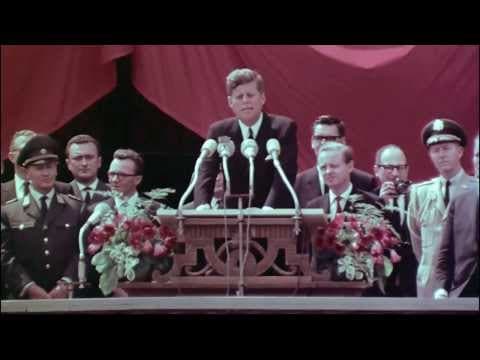
In a historic speech delivered on June 26, 1963, President John F. Kennedy proclaimed, "Ich bin ein Berliner" (I am a Berliner) in front of a massive crowd in West Berlin. This statement was not just a declaration of solidarity with the citizens of Berlin; it was a powerful affirmation of freedom and democracy during a time of intense geopolitical tension.
The backdrop of Kennedy's speech was the Cold War, a period marked by the division of Europe into East and West. Berlin, a city split by the Berlin Wall, became a focal point of this ideological struggle. The wall, erected in 1961, symbolized the oppression of the East by the Soviet regime and the desire for freedom in the West. Kennedy's visit to Berlin was a strategic move to reassure West Berliners of America's commitment to their freedom and to challenge the oppressive nature of communism.
Kennedy's declaration, "Ich bin ein Berliner," resonated deeply with the people of Berlin and the world. By identifying himself as a Berliner, Kennedy emphasized that the struggle for freedom was universal. His words conveyed that all free men, regardless of where they lived, were citizens of Berlin, standing together against tyranny.
The phrase served as a rallying cry for unity among free nations. It reinforced the idea that the fight against oppression was not limited to one city or one nation but was a global struggle. Kennedy's message was clear: the values of freedom and democracy were worth defending, and the United States stood firmly with those who sought to uphold them.
Kennedy's speech had a profound impact on the Cold War narrative. It inspired hope among those living under oppressive regimes and served as a reminder to the world of the importance of standing up for democratic ideals. The speech also solidified the United States' role as a leader in the fight against communism, reinforcing its commitment to protecting freedom worldwide.
Decades later, the phrase "Ich bin ein Berliner" continues to resonate. It has become a symbol of resistance against oppression and a reminder of the importance of solidarity among free people. The speech is often cited in discussions about freedom, democracy, and human rights, illustrating the enduring relevance of Kennedy's message.
The legacy of Kennedy's speech is commemorated in various forms, from monuments in Berlin to references in popular culture. It serves as a reminder of the power of words and the impact they can have on shaping history. The phrase has been invoked in various contexts, symbolizing the ongoing struggle for freedom and the importance of standing together against oppression.
John F. Kennedy's declaration of "Ich bin ein Berliner" transcended its immediate context, becoming a timeless symbol of freedom and unity. It reminds us that the fight for democracy and human rights is a collective endeavor, one that requires solidarity among all who cherish liberty. As we reflect on this powerful moment in history, we are reminded of our shared responsibility to uphold the values of freedom and to stand against tyranny in all its forms.