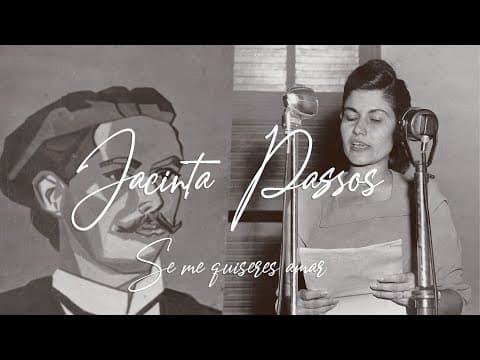
Jacinta Passos, a significant figure in Brazilian literature and politics, used her poetry to address social injustices and advocate for the oppressed. Her life, marked by political activism and personal struggles, reflects the challenges faced by women in her era, particularly within the communist movement. Despite her contributions, her legacy remains underexplored, highlighting the need for greater recognition of women's roles in history.
Jacinta Passos was not just a poet; she was a voice of resistance and a symbol of the struggles faced by women in Brazil during a tumultuous period. Born in Cruz das Almas, Bahia, her life and work were deeply intertwined with the socio-political landscape of her time. This blog post explores her journey, her contributions to literature and politics, and the ongoing relevance of her message.
Jacinta was born in Fazenda Campo Limpo, a region that played a crucial role in her development as a writer. The area was rich in cultural heritage, particularly influenced by the legacy of slavery and the struggles of the Afro-Brazilian community. Growing up among former slaves and their descendants, Jacinta absorbed the folk songs and stories that would later permeate her poetry.
Her childhood experiences in the Recôncavo Baiano, a region known for its rich cultural traditions, significantly shaped her literary voice. The influence of popular songs and the oral traditions of her community can be seen in her work, which often reflects themes of love, loss, and social justice.
As Jacinta matured, she became increasingly aware of the political climate in Brazil. The entry of Brazil into World War II sparked a wave of activism among the youth, and Jacinta was no exception. She began publishing her work in newspapers, using her poetry to raise awareness about social issues and injustices.
Despite her significant contributions, Jacinta's role as a woman in the communist movement was often marginalized. Women in the Communist Party faced systemic barriers, and their contributions were frequently overlooked. Jacinta's story exemplifies the struggles women faced in gaining recognition for their activism and literary contributions.
The military coup of 1964 marked a turning point in Jacinta's life. As a vocal critic of the regime, she was arrested and subjected to harsh treatment. Her imprisonment and subsequent internment in a psychiatric hospital highlight the brutal repression faced by dissenters during this period.
Jacinta was labeled as mentally ill, a common tactic used by authoritarian regimes to discredit political opponents. Her experiences in the psychiatric hospital were marked by a prolific output of writing, as she continued to express her thoughts and feelings through poetry, even in confinement.
Jacinta Passos's poetry is characterized by its lyrical beauty and profound social commentary. Her work often addresses themes of love, oppression, and the human condition, making her a significant figure in Brazilian literature.
Despite her contributions, Jacinta's legacy has not been fully recognized. While some literary critics, such as Mário de Andrade and Antônio Cândido, praised her work, much of her life remains underexplored. The need for a comprehensive understanding of her contributions to literature and politics is essential for acknowledging the role of women in shaping Brazilian history.
Jacinta Passos's life and work serve as a powerful reminder of the resilience of the human spirit in the face of adversity. Her poetry continues to resonate, offering insights into the struggles for justice and equality. As we reflect on her legacy, it is crucial to recognize and celebrate the contributions of women like Jacinta, who fought for a more just and equitable society. Her voice, though silenced for a time, remains a vital part of Brazil's cultural and political narrative.