Edgar Allan Poe's The Tell-Tale Heart explores themes of madness, guilt, and the human psyche through the story of an unreliable narrator who commits murder driven by obsession with an old man's eye. The narrative delves into the complexities of sanity and the haunting nature of guilt, culminating in a chilling confession.
Edgar Allan Poe's short story "The Tell-Tale Heart" is a profound exploration of the human psyche, particularly the themes of madness, guilt, and obsession. The narrative is delivered through the voice of an unreliable narrator who insists on his sanity while recounting the events leading to a horrific crime. This blog post delves into the intricacies of the story, examining the narrator's motivations, the symbolism of the eye, and the ultimate consequences of his actions.
The story begins with the narrator asserting his sanity, despite his evident nervousness. He claims that his heightened senses, particularly his acute hearing, are proof of his mental clarity. This paradox sets the tone for the entire narrative, as the reader is left questioning the narrator's reliability. He insists that he can tell the story calmly, yet his words reveal a mind tormented by obsession and guilt.
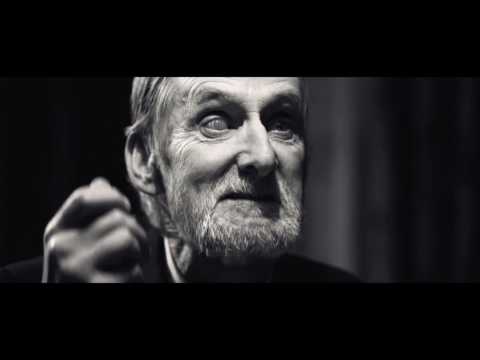
Central to the narrator's madness is his fixation on the old man's eye, which he describes as resembling that of a vulture. This eye becomes a symbol of his irrational fear and hatred, driving him to commit murder. The narrator's love for the old man is overshadowed by his aversion to the eye, leading him to conclude that the only way to rid himself of this torment is to kill the old man. This obsession illustrates how irrational fears can consume an individual, leading to destructive actions.
The narrator meticulously plans the murder, claiming to be kinder to the old man in the days leading up to the crime. He describes how he would enter the old man's room each night, only to find the eye closed, preventing him from carrying out his plan. This ritualistic behavior highlights the narrator's internal struggle and the lengths he will go to in order to confront his fear.
On the eighth night, however, the old man awakens, sensing the narrator's presence. The tension escalates as the narrator hears the old man's heart beating, a sound that intensifies his fury and fear. In a moment of uncontrollable rage, he kills the old man and conceals the body beneath the floorboards.
Following the murder, the narrator's sense of triumph quickly dissipates as he is confronted by the police, who arrive to investigate a reported scream. He attempts to maintain his composure, even inviting them in for tea. However, the guilt manifests itself in the form of the old man's heartbeat, which he believes he can still hear. This auditory hallucination symbolizes the inescapable nature of guilt and the psychological torment that follows the act of murder.
As the police continue their investigation, the narrator's mental state deteriorates. The beating of the heart grows louder in his mind, driving him to madness. In a moment of desperation, he confesses to the crime, exclaiming, "It was the beating of his hideous heart!" This climactic moment underscores the story's central theme: the inescapability of guilt and the consequences of one's actions.
Edgar Allan Poe's "The Tell-Tale Heart" serves as a chilling reminder of the complexities of the human mind. Through the lens of an unreliable narrator, Poe explores the thin line between sanity and madness, the destructive power of obsession, and the haunting nature of guilt. The story remains a timeless classic, inviting readers to reflect on the darker aspects of human nature and the psychological struggles that can lead to tragic outcomes.