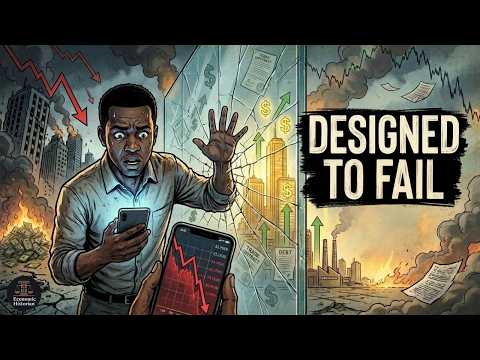
The middle class is facing unprecedented financial challenges, with rising costs of living, stagnant wages, and an economy that increasingly favors the wealthy. Many individuals are living paycheck to paycheck, struggling to afford basic necessities, and feeling trapped in a cycle of debt. This blog post explores the realities of the middle class today, the impact of economic policies, and potential paths forward for those caught in this financial turmoil.
The middle class is often seen as the backbone of society, but recent trends indicate that this demographic is facing unprecedented financial challenges. With rising costs of living, stagnant wages, and an economy that increasingly favors the wealthy, many individuals are finding it difficult to maintain their standard of living. This blog post explores the realities of the middle class today, the impact of economic policies, and potential paths forward for those caught in this financial turmoil.
Many people today are struggling financially, and those who are not should consider themselves fortunate. The next 12 to 18 months could be critical for the middle class, as the cost of living continues to rise. Being middle class has become one of the most challenging financial positions to be in, with expenses outpacing income.
A staggering 50% of Canadians live paycheck to paycheck, and this trend is mirrored in many parts of the United States. Individuals often appear to be millionaires on paper, owning homes and cars, but in reality, they are burdened by debt and financial stress. The system seems to be designed to keep people in a cycle of financial insecurity, where even those with stable jobs find it hard to make ends meet.
The cost of living has skyrocketed, making it increasingly difficult for families to afford basic necessities. For example, car insurance rates have doubled for many, and utility bills have become astronomical. Even those who work multiple jobs often find themselves unable to cover their expenses, leading to a growing sense of despair.
Despite minimum wage increases in some areas, many workers are not seeing corresponding raises in their overall compensation. This discrepancy creates a situation where the cost of living continues to rise, but wages remain stagnant. As a result, many individuals are forced to rely on government assistance, yet they often do not qualify due to their income levels.
The dream of homeownership is becoming increasingly unattainable for the average middle-class family. In places like Ontario, the average home price has soared to over $800,000, while the average middle-class income hovers around $70,000. This disparity means that many professions that were once considered middle class, such as teaching or nursing, no longer provide the financial stability they once did.
As homeownership becomes less feasible, America is predicted to become a nation of renters. In the next decade, over 60% of Americans may find themselves renting rather than owning their homes. This shift raises concerns about the long-term financial security of future generations, who may rely on their parents for assistance in purchasing homes.
The financial strain on the middle class is not just a matter of numbers; it takes a significant psychological toll. Many individuals feel trapped in a cycle of debt, working long hours without the ability to enjoy life. The pressure to provide for families while managing financial obligations can lead to burnout and a sense of hopelessness.
To address these issues, there needs to be a collective effort to rethink economic policies and support systems. The current system often rewards those who do not contribute to the economy while penalizing those who work hard but still struggle to get by. It is essential to advocate for policies that support the working class and create a more equitable economic landscape.
The middle class is at a crossroads, facing challenges that threaten its very existence. As costs continue to rise and wages stagnate, it is crucial for individuals to seek out new opportunities and advocate for systemic change. By coming together and addressing these issues, we can work towards a future where the middle class can thrive rather than merely survive. The time for action is now, as the consequences of inaction could lead to a widening wealth gap and a further decline of the middle class in society.