John Steinbeck's novella 'The Pearl' explores themes of greed, the American Dream, and the consequences of wealth through the story of Kino, a poor fisherman who finds a valuable pearl that ultimately brings tragedy to his family.
John Steinbeck's novella, "The Pearl," is a profound narrative that draws inspiration from a biblical parable about a merchant who discovers a pearl of immense value. This pearl serves as a metaphor for heaven, illustrating how earthly existence pales in comparison to the joys of living with God. Additionally, the story acts as an allegory of the American Dream, cautioning against the dangers of seeking overnight success.
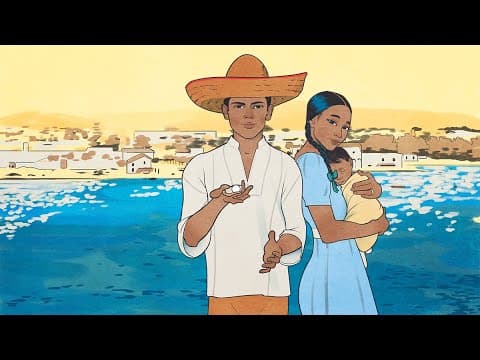
Set in the impoverished Mexican Indian community of La Paz, Mexico, the story introduces us to Kino, a poor but content fisherman. He lives a simple life with his practical wife, Juana, and their infant son, Coyotito. Their lives take a dramatic turn when Coyotito is stung by a scorpion, prompting Kino and Juana to seek medical help.
After the scorpion sting, Kino kills the creature but faces a harsh reality when they visit the local doctor. The physician, looking down on Kino's race and knowing he cannot afford the treatment, refuses to help. Frustrated, Kino smashes his fist on the doctor's gate, symbolizing his anger and helplessness.
In a desperate attempt to pay for his son's treatment, Kino dives for oysters in the sea. To his astonishment, he discovers a large oyster that yields an immense pearl. His joy is palpable, but it quickly turns to envy among his neighbors. Kino's brother, Juan Tomas, asks him about his plans for the newfound fortune. Kino dreams of marrying Juana in a church, dressing Coyotito in a sailor suit, and buying a rifle.
As news of the pearl spreads, Kino receives visits from the local priest and the doctor, both of whom see the pearl as a means to their own ends. Kino, feeling the weight of the pearl's significance, wraps it in a rag and buries it in the dirt floor of their home. However, he becomes increasingly paranoid, fearing that others are after his newfound wealth.
That night, Kino believes he hears intruders in his hut and strikes out in fear. Juana, sensing the pearl's malevolence, urges Kino to dispose of it before it destroys them. Kino, however, refuses, convinced that he can sell it for a fortune. The next day, he attempts to sell the pearl in town, but the dealers offer him a fraction of its worth, igniting Kino's anger and determination to seek a better price in the capital.
As Kino's obsession with the pearl grows, so does the danger surrounding him. He buries the pearl again, but his fear escalates. Juan Tomas warns Kino that he has upset the natural order of life, and soon after, Kino is attacked by thieves. Juana's pleas to rid themselves of the pearl intensify, but Kino's refusal leads to a violent confrontation between them.
After a series of violent events, including Kino stabbing a man in desperation, the family decides to flee. They hide with Juan Tomas before embarking on a perilous journey north. Kino's fixation on the pearl deepens, as he believes it has become his soul. They travel by night and hide during the day, constantly fearing pursuit.
Their fears are realized when they encounter trackers who mistake Coyotito's cries for a coyote pup. In a tragic turn of events, Kino kills the trackers in a fit of rage, but the cost is devastating. They return to La Paz, defeated, with Kino carrying the rifle he had always desired, now stained with the blood of his actions, while Juana mourns the loss of their son, Coyotito.
In the end, when Kino looks at the pearl, he sees only the reflection of his dead son. Overwhelmed by grief and the realization of the pearl's true nature, Kino throws the once-coveted object into the ocean, liberating himself from its evil grasp.
"The Pearl" serves as a poignant reminder of the dangers of greed and the pursuit of wealth. Steinbeck's narrative illustrates how the desire for material success can lead to destruction and loss, ultimately questioning the true value of what we seek in life. Through Kino's tragic journey, readers are left to ponder the cost of ambition and the meaning of true happiness.