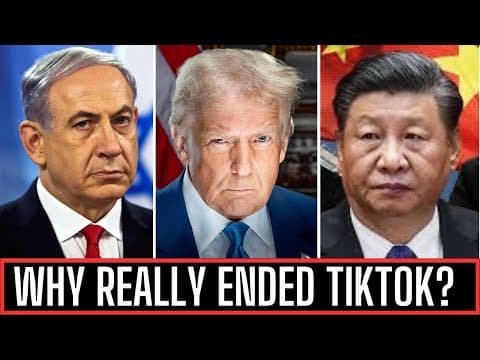
The recent ban of TikTok in the United States is not merely about data privacy or national security concerns related to China. Instead, it reflects deeper political influences, particularly from pro-Israel groups, who perceive TikTok as a platform that spreads pro-Palestinian sentiments among younger audiences. This blog post explores the motivations behind the ban, the role of influential lobbying groups, and the implications for freedom of speech.
TikTok has become a significant platform for young people, often described as a 24/7 news channel for the youth. However, recent developments have led to its ban in the United States, raising questions about the underlying motivations behind this decision. This blog post explores the complexities surrounding the ban, focusing on political influences and the implications for freedom of speech.
TikTok has emerged as a powerful medium for news and information, particularly among younger generations. Its ability to disseminate information quickly and widely has made it a vital tool for social movements, including the Palestinian cause. The platform's algorithm has been noted for its capacity to amplify voices and perspectives that may not receive as much attention on traditional media outlets.
In November 2023, Jonathan Greenblatt, the head of the Anti-Defamation League (ADL), referred to TikTok as a problem that needed to be addressed. He highlighted a generational divide in support for Israel, suggesting that younger people are more sympathetic to the Palestinian cause. This concern reflects a broader anxiety among pro-Israel groups about the narratives being shared on TikTok, which they perceive as threatening.
Critics of TikTok have raised concerns about the platform's potential to spread anti-Semitic sentiments. A notable claim made by statistician Anthony Goldblum suggested that spending just 30 minutes a day on TikTok could increase anti-Semitic views by 177%. However, this claim has been criticized for conflating anti-Israel sentiments with anti-Semitism, a distinction that many argue is crucial.
In response to these concerns, a bill known as HR 7521, titled "Protecting Americans from Foreign Adversary Controlled Applications Act," was introduced in Congress. This legislation aimed to ban TikTok, citing national security risks associated with its Chinese ownership. The bill received bipartisan support and was signed into law by President Biden in April 2024, reflecting a swift legislative process rarely seen in Congress.
A significant aspect of the TikTok ban involves the influence of lobbying groups, particularly those aligned with pro-Israel interests. Representative Mike Gallagher, who sponsored the bill, has received substantial donations from the Israeli lobby, raising questions about the motivations behind the push to ban TikTok. Reports indicate that over 90% of Congress members have received donations from pro-Israel groups, suggesting a pervasive influence on U.S. policy.
The involvement of defense contractors, such as Palantir Technologies, which collaborates closely with the Israeli military, adds another layer of complexity. These companies not only profit from military operations but also play a role in shaping legislation that could stifle criticism of their actions. This conflict of interest raises ethical questions about the motivations behind the TikTok ban.
The ban on TikTok has sparked debates about freedom of speech and the role of social media in shaping public discourse. Critics argue that the decision to ban the platform is a direct attack on the ability of young people to express their views and access diverse perspectives. The narrative that TikTok is a threat to national security is seen by many as a smokescreen for suppressing dissenting voices.
The ban on TikTok is emblematic of broader issues related to political influence, freedom of speech, and the power dynamics at play in the U.S. The motivations behind the ban reveal a complex interplay of lobbying, national security concerns, and the changing landscape of public opinion regarding Israel and Palestine. As the younger generation becomes increasingly aware of these dynamics, it is crucial to engage in open discussions about the implications of such actions on democracy and freedom of expression.