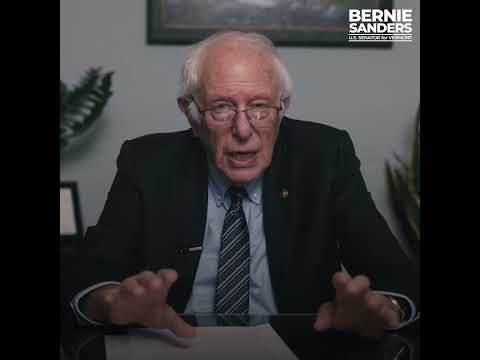
This blog post discusses the recent political maneuvering by Elon Musk, who has threatened Republican lawmakers over a government funding resolution. It highlights the implications of billionaire influence on democracy, particularly in healthcare and social services, and warns of the dangers of oligarchy in American politics.
In recent weeks, significant political developments have unfolded in Washington, D.C., particularly concerning a government funding resolution. After extensive negotiations, Senate Democrats and House Republicans reached an agreement known as a continuing resolution, which would fund the government for three months. While this agreement may not have been ideal for everyone, it was seen as a necessary step forward, especially given its provisions for healthcare funding.
One of the key components of this resolution is an increase in funding for primary healthcare. This is a critical issue, as the United States faces an enormous healthcare crisis. The legislation aims to provide modest funding increases for community health centers that serve approximately 30 million low-income and working-class Americans. Additionally, it seeks to bolster the number of young doctors entering rural and underserved areas, addressing a significant gap in healthcare access.
Just as the resolution was poised for passage, an unexpected player entered the fray: Elon Musk, the wealthiest man in the world. Musk publicly expressed his opposition to the legislation via social media, directly threatening Republican lawmakers. He warned that if they voted in favor of the resolution, he would financially support their primary challengers, effectively attempting to oust them from office.
This situation raises serious concerns about the influence of billionaires in politics. Musk's actions suggest a shift from traditional political dynamics to a more oligarchic system, where a single individual can dictate terms to elected officials. His wealth, which he has previously used to support political candidates, now appears to grant him undue influence over the Republican Party.
Musk's campaign against the resolution has not only been characterized by threats but also by the spread of misinformation. He has made several false claims about the legislation, including assertions that it would provide a 40% pay raise for Congress and fund bioweapons labs. In reality, the proposed increase for Congress is only 3.9%, aligning with federal employee raises, and the bill aims to protect Americans from emerging infectious diseases, not fund bioweapons.
Should Musk's influence succeed in derailing the resolution, the consequences could be dire. A government shutdown would lead to cuts in critical funding for children's cancer research and leave millions of Americans without essential services. Vulnerable populations, including nearly 7 million women and children relying on nutrition assistance, would face hunger, and federal workers would go unpaid.
The situation highlights a troubling trend in American politics: the increasing power of the billionaire class. Musk's actions exemplify a broader movement where wealthy individuals seek to exert control over political processes, often at the expense of democratic principles. This is not merely a partisan issue; it transcends traditional political divides, posing a fundamental challenge to the integrity of the political system.
As we navigate these complex political waters, it is crucial to recognize the gravity of the situation. The influence of billionaires like Musk threatens to reshape our political landscape, prioritizing the interests of the wealthy over the needs of the general populace. To combat this trend, it is essential to educate, organize, and mobilize against the encroachment of oligarchy in our democracy. The future of American politics depends on our ability to stand up against this growing influence and advocate for a system that serves all citizens, not just the elite few.
As we approach the holiday season, let us reflect on the importance of our democratic values and the work that lies ahead to protect them.