Mary Shelley's Frankenstein explores the themes of creation, responsibility, and the nature of humanity through the tragic story of Victor Frankenstein and his creature, set against the backdrop of a dark and gloomy summer in 1816.
Mary Shelley's Frankenstein is a profound narrative that delves into the complexities of creation, responsibility, and the nature of humanity. This blog post will explore the origins of the story, its key characters, and the philosophical questions it raises, all while tracing the journey of Victor Frankenstein and his creature.
The story begins in 1778 with Robert Walton, an explorer trapped in the icy expanse of the North Pole. One fateful morning, he witnesses a monstrous figure driving a sled across the ice. This figure is none other than Frankenstein's creature, a being without a name, created by the brilliant scientist, Dr. Victor Frankenstein.
The tale of Frankenstein was born on a rainy night in 1816, famously known as the year without a summer. The eruption of Mount Tambora caused drastic climate changes, leading to dark and gloomy days. During this time, Mary Shelley, along with her husband Percy Shelley and Lord Byron, engaged in a ghost story competition, which inspired Mary to create her iconic narrative.
Dr. Victor Frankenstein is depicted as a brilliant scientist, obsessed with the mysteries of human nature and the possibility of creating life. His ambition leads him to conduct experiments aimed at creating a being that surpasses ordinary humans in strength and health. However, when he succeeds, the result is a grotesque and powerful creature that terrifies him. In a moment of fear and regret, Victor abandons his creation, setting off a chain of tragic events.
After being rejected by his creator, the creature seeks solace near a family of peasants. Despite his monstrous appearance, he attempts to help them anonymously, showcasing his inherent kindness. Unfortunately, the family reacts with fear and hostility, driving him to despair. In a fit of rage, the creature commits a horrific act by killing Victor's younger brother, leading to a series of tragic confrontations.
The creature eventually confronts Victor, revealing his loneliness and making a poignant request: to create a female companion who would accept him. Initially, Victor agrees but later refuses, fearing the potential consequences of creating another being like the first. This rejection ignites the creature's wrath, leading to further tragedy, including the death of Victor's best friend and, ultimately, his bride, Elizabeth.
Devastated by the loss of his loved ones, Victor becomes consumed by the desire to destroy his creation. His pursuit leads him to the North Pole, where he collapses from exhaustion and illness. In his final moments, he recounts his tragic tale to Walton, who becomes a witness to the consequences of Victor's hubris.
Meanwhile, the creature mourns the loss of his creator, revealing his complex nature. He expresses a desire for acceptance and understanding, challenging the notion that he is merely a monster. His final vow to end his own life in the Arctic symbolizes the profound loneliness and despair he has endured.
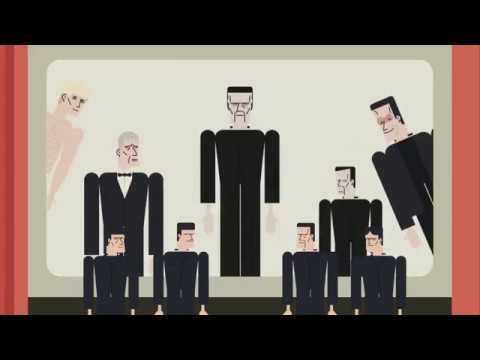
Frankenstein's impact on popular culture is undeniable, with numerous adaptations and interpretations since its publication. The first silent film adaptation appeared in 1910, followed by Boris Karloff's iconic portrayal, which solidified the creature's place in cinematic history. The story has inspired countless works, from The Addams Family to The Rocky Horror Picture Show.
At its core, Frankenstein raises timeless philosophical questions that resonate with audiences today. Can humanity, through science, transcend the boundaries of life and death? Are we destined to face consequences for our creations, akin to the myth of Prometheus? The narrative invites readers to reflect on the nature of good and evil, the role of societal prejudices, and the quest for acceptance.
As the creature poignantly states, "Shall I respect man when he condemns me? Let him live with me in the interchange of kindness, and instead of injury I would bestow every benefit upon him with tears of gratitude at his acceptance." This profound reflection challenges our perceptions of monstrosity and humanity, urging us to consider the deeper implications of our actions and judgments.
Mary Shelley's Frankenstein is not merely a tale of horror; it is a rich exploration of the human condition, the consequences of ambition, and the quest for understanding. The story's enduring relevance lies in its ability to provoke thought and discussion about the ethical implications of creation and the complexities of human nature. As we reflect on this timeless narrative, we are reminded of the delicate balance between creator and creation, and the responsibilities that come with the power to bring life into the world.