In Chapter 25 of Chinua Achebe's Things Fall Apart, Okonkwo's tragic suicide symbolizes the devastating impact of colonialism on Igbo culture. The chapter highlights the themes of loss, isolation, and the misunderstanding of African cultures by colonial powers, as represented by the district commissioner.
In Part Three, Chapter 25 of Chinua Achebe's seminal work, Things Fall Apart, we witness a pivotal and heart-wrenching moment in the narrative. This chapter encapsulates the profound effects of colonialism on the Igbo culture and the personal tragedy of its protagonist, Okonkwo.
The chapter opens with the district commissioner arriving at Okonkwo's compound, accompanied by soldiers and court messengers. His demand for Okonkwo is met with resistance, as Obierika, Okonkwo's friend, informs the commissioner that Okonkwo is not present. The district commissioner, displaying his authority, threatens to arrest the men if they do not produce Okonkwo. This moment sets the tone for the power dynamics at play, illustrating the oppressive nature of colonial rule.
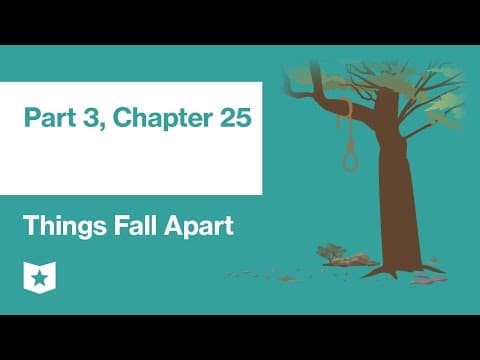
Obierika, under pressure, agrees to lead the district commissioner to Okonkwo. The journey culminates at a tree where Okonkwo has hanged himself. Obierika's request to take down the body reveals the cultural significance of suicide in Igbo society, where it is considered an abomination. He expresses his anger towards the district commissioner, asserting that Okonkwo was a great man who was driven to this tragic end by the forces of colonialism. Obierika's declaration that Okonkwo will be buried like a dog underscores the deep disrespect shown to a once-respected warrior.
The district commissioner, reflecting on the situation, notes that he should not engage in such undignified tasks himself. His thoughts reveal a profound disconnect from the gravity of the events unfolding. He contemplates writing a book about his experiences, intending to title it The Pacification of the Primitive Tribes of the Lower Niger. This proposed title is emblematic of the ethnocentrism that characterizes colonial attitudes, highlighting the ignorance of European powers regarding the cultures they sought to dominate.
Okonkwo's suicide serves as a powerful symbol of the destructive impact of colonial change on traditional Igbo society. It marks the culmination of his internal struggle against the forces that threaten his identity and values. The absence of Okonkwo's family during this tragic moment is particularly poignant; despite his dedication to clan and family, he dies alone, illustrating the isolation that colonialism has wrought.
The chapter encapsulates the broader themes of loss and misunderstanding that permeate Things Fall Apart. Okonkwo's fall from grace is not just a personal tragedy but a reflection of the disintegration of Igbo culture itself. His death signifies the end of an era, where the values and traditions he held dear have been rendered obsolete by colonial forces.
In conclusion, Chapter 25 of Things Fall Apart serves as a powerful commentary on the effects of colonialism on individual lives and cultures. Okonkwo's tragic end is a stark reminder of the human cost of cultural destruction. The district commissioner's plans to write about the people of Africa, coupled with his lack of understanding, further emphasizes the chasm between colonial powers and the cultures they sought to control. Achebe's narrative ultimately challenges readers to reflect on the complexities of identity, culture, and the consequences of colonialism.