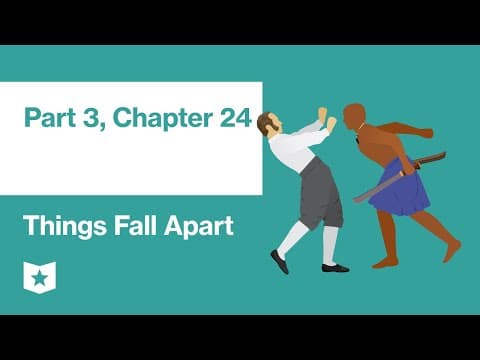
In Chapter 24 of Chinua Achebe's Things Fall Apart, Okonkwo grapples with his identity and the impending threat of colonialism as he navigates the aftermath of his release from imprisonment. The chapter highlights the tension between traditional values and the changes brought by British rule, culminating in Okonkwo's tragic isolation and desire for revenge.
In Part 3, Chapter 24 of Chinua Achebe's seminal work, "Things Fall Apart," we witness the profound struggles of Okonkwo and his community as they confront the harsh realities of colonialism and internal conflict. This chapter serves as a pivotal moment in the narrative, illustrating the themes of identity, masculinity, and the clash between tradition and change.
The chapter opens with Okonkwo and five other men being released after their hefty fines are paid. However, their return to the village is met with silence and avoidance from their fellow clansmen. The weariness of the villagers is palpable, and the lack of welcome underscores the tension that has developed within the community. Okonkwo's male relatives and friends gather at his hut, but their attention is drawn to the whip marks on his back, a symbol of his recent humiliation. Only Obi Rika engages with him, highlighting Okonkwo's growing isolation.
As the village crier announces a meeting for the following day, Okonkwo is consumed by a mix of bitterness and childlike excitement. He is eager for conflict, contemplating whether he will join a potential war or seek personal vengeance. The gathering of people from all nine villages fills him with a sense of solidarity, yet he is furious at the thought of anyone opposing the idea of war against the British.
During the meeting, one of the released prisoners addresses the crowd, emphasizing the dire situation they face. He articulates the danger posed by the British and the betrayal of clan members who have allied with them. The speaker's call to arms resonates with the crowd, urging them to fight despite the potential for brother to fight brother. This moment encapsulates the internal conflict within the clan, torn between loyalty to tradition and the necessity of self-defense.
The meeting takes a dramatic turn when court messengers arrive to disperse the crowd. In a fit of rage, Okonkwo beheads the messenger in charge, an act that symbolizes his desperation and refusal to accept the new order. However, his violent act is met with inaction from the villagers, who do not follow his lead. This moment marks a significant realization for Okonkwo: the community is not prepared to engage in war, and he is left feeling more isolated than ever.
Returning to his hut, Okonkwo finds himself surrounded by people yet remains emotionally detached. The whip marks on his back serve as a reminder of his perceived loss of masculinity and strength. The villagers' fear of further violence and their acknowledgment of the futility of war against the British weigh heavily on Okonkwo's mind. He vows to seek revenge, even if it means standing alone.
As the chapter concludes, Achebe paints Okonkwo as a tragic figure caught between the traditional Igbo culture and the disruptive forces of European colonialism. His anger stems from a deep-seated fear of weakness, inherited from his father. Yet, under the new British rule, his actions threaten to bring about greater violence and destruction to his clan. Okonkwo's struggle for identity and belonging in a rapidly changing world highlights the broader themes of cultural conflict and the personal ramifications of colonialism.
In summary, Chapter 24 of "Things Fall Apart" encapsulates the tragic conflict faced by Okonkwo as he grapples with his identity, the expectations of masculinity, and the looming threat of colonial domination. His isolation and desire for revenge serve as a poignant reminder of the complexities of cultural change and the human condition in the face of adversity.