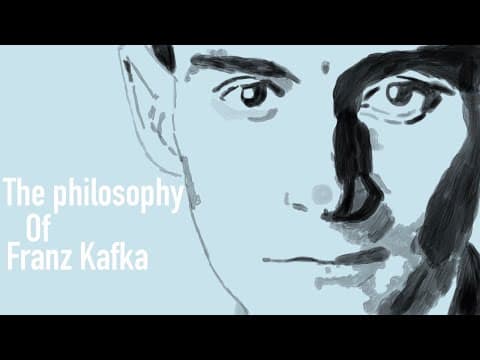
Franz Kafka's life was marked by a tumultuous relationship with his father, leading to profound anxiety and a struggle for self-identity. His experiences shaped his literary works, particularly 'The Metamorphosis,' which reflects themes of alienation and despair. Despite his struggles, Kafka's writing remains a powerful testament to the human condition, urging readers to seek personal fulfillment beyond societal expectations.
Franz Kafka, a name synonymous with existential literature, lived a life steeped in sorrow and conflict, primarily stemming from his fraught relationship with his father. This blog post delves into Kafka's life, his struggles, and how these experiences influenced his writing, particularly his renowned work, "The Metamorphosis."
Born on July 3, 1883, in Prague, Kafka was the only son of a successful businessman who transformed a small clothing store into a thriving enterprise. His father, a domineering figure, had little patience for Kafka's frailty and artistic inclinations. This lack of affection and support instilled in Kafka a profound sense of anxiety that would haunt him throughout his life.
Kafka's childhood was marked by emotional abuse, exemplified by an incident where his father locked him outside on a balcony for asking for a glass of water. Such experiences contributed to Kafka's feelings of inadequacy and shame, particularly regarding his passion for writing, which he felt was at odds with his father's expectations.
Despite his father's disdain for his health and interests, Kafka pursued higher education, initially studying chemistry before succumbing to his father's wishes and switching to law. After university, Kafka found himself in a series of jobs that he despised, including a clerk position at a local court and later at an insurance firm. These roles, while providing financial stability, stifled his creative spirit and left him yearning for a life beyond the confines of his office.
Kafka's writing career began to flourish during his time at the insurance firm, where he had the flexibility to write in the evenings. It was during this period that he penned his first major work, "The Metamorphosis." This novella tells the story of Gregor Samsa, a man who wakes up one morning transformed into a giant insect, leading to a catastrophic unraveling of his family dynamics. Through this narrative, Kafka explores themes of alienation, societal expectations, and the struggle for identity.
Kafka's personal life was fraught with failed relationships. He became engaged to Felice Bauer, a woman he had met only once, but their engagement was short-lived. Kafka's inability to reconcile his desires with his father's expectations led to a series of heartbreaks. He often found himself torn between his longing for love and the oppressive weight of familial obligation.
In 1917, after a brief engagement, Kafka was diagnosed with tuberculosis, which further complicated his romantic pursuits. His relationships were often marred by his father's disapproval, leading him to end engagements and withdraw from potential happiness.
Despite his struggles, Kafka's literary contributions were profound. His works, including "The Trial" and "The Castle," reflect a deep existential angst and a critique of the bureaucratic systems that govern human lives. Kafka's writing is characterized by its surrealism and exploration of the human condition, often depicting characters who are trapped in absurd situations.
Kafka's life was a testament to the idea that art can emerge from suffering. His experiences of alienation and despair are woven into the fabric of his narratives, making them resonate with readers across generations. He wrote not just fiction but a reflection of his trauma, capturing the essence of a broken man's soul.
Franz Kafka's life serves as a poignant reminder of the impact of familial relationships on personal identity and creativity. His struggles with anxiety, societal expectations, and the quest for self-approval are themes that continue to resonate today. Kafka's legacy encourages us to seek our own paths and to find solace in creative expression, rather than succumbing to the pressures imposed by others.
As we reflect on Kafka's life, we are reminded of the importance of prioritizing our happiness over the opinions of others. His story, while tragic, is also one of resilience and the enduring power of literature to articulate the complexities of the human experience.