This article explores the escalating Trump-Iran crisis, highlighting concerns over nuclear weapon threats, the impact on global alliances, and the internal political turmoil in the U.S. It discusses the dangers of a narcissistic leadership, the erosion of constitutional values, and the potential collapse of the American empire amid global energy and economic crises.
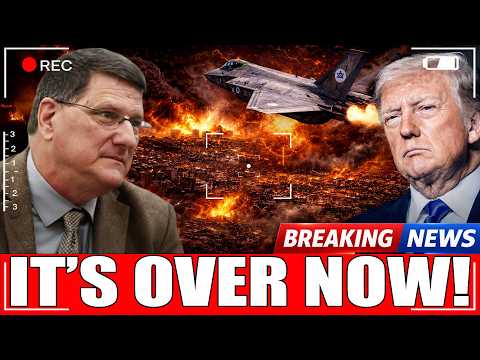
The ongoing crisis involving former President Donald Trump and Iran has escalated to a level that demands global attention. Insights from Scott Ritter, a former military intelligence officer, shed light on the complexities of this situation, the internal dynamics within the U.S. administration, and the broader geopolitical consequences.
Scott Ritter, having experience in the White House Situation Room, explains how decisions at the presidential level unfold. He notes that narratives often emerge, which he analyzes by identifying patterns, consistencies, and contradictions.
Two conflicting narratives have surfaced regarding Trump's approach to Iran. One suggests that Trump's threatening tweet about erasing Iranian civilization was linked to a policy advocating the use of nuclear weapons against Iran. Military leadership reportedly opposed such orders, citing constitutional responsibilities and potential war crimes, leading to the abandonment of this nuclear option in favor of a ceasefire.
However, Trump is said to have sought to regain the nuclear option, leading to confrontations with military officials, including a reported screaming match with the Chairman of the Joint Chiefs of Staff, who refused to obey unlawful orders.
Ritter characterizes Trump as a malignant narcissist with antisocial tendencies, posing a threat to civil society. Trump's self-perception is centered on his legacy and brand, prioritizing perception over reality. Examples include his unauthorized renaming of the Kennedy Center and attempts to influence political figures to honor him through infrastructure naming.
Despite claims of high morality, Trump's understanding of religion and constitutional principles is questioned. His actions are seen as insulting to religious communities and indicative of a cult of personality that undermines democratic values.
The rise of factionalism in America, particularly the MAGA faction, reflects a dangerous cult of personality around Trump. This group often rejects fact-based discussions, supporting Trump regardless of constitutional implications. The presence of such a faction with access to nuclear codes is alarming.
While much attention focuses on Trump's conflicts with religious figures and foreign policy, other critical issues receive less scrutiny. For instance, the handling of the Epstein files and the lack of prosecution for elites involved in related crimes remain contentious. Allegations involving Trump and his family persist, with calls for legal accountability.
Statements from U.S. officials, such as the Secretary of War advocating "more lethality, less legality," highlight a disregard for international law. Incidents like the double-tapping of a girls' school in Minab are cited as war crimes requiring prosecution. The need for accountability is emphasized as essential for America's healing.
The midterm elections are portrayed as a critical juncture for America. Failure to hold fair elections could lead to civil unrest. The elections represent an opportunity for accountability and the potential end of Trump's political influence. However, concerns remain about election integrity and the possibility of continued factionalism.
Ritter discusses the broader geopolitical impact of the crisis, describing it as an "empire terminating event." NATO is considered effectively dead, and key alliances in the Pacific aimed at containing China have deteriorated. The closure of the Strait of Hormuz and energy crises in Japan, South Korea, Australia, and India underscore America's diminished global standing.
The U.S. faces a strategic withdrawal from its global military presence, with no realistic prospect of defending Taiwan militarily. This marks the end of the American empire as a dominant global force.
The crisis has precipitated severe energy shortages and economic challenges worldwide. Europe faces aviation fuel shortages within weeks, threatening the viability of its airline industry. Rising fuel prices will impact transportation and the cost of living globally.
Russia's limited capacity to replace lost oil and fertilizer supplies exacerbates the situation, with China increasing demand further straining resources. These shortages threaten to trigger famines and economic instability, particularly affecting poorer populations.
Trump's political strategy may hinge on managing public perception, particularly regarding the economy. While the American public may be indifferent to foreign policy issues like Iran, they are sensitive to fuel and food prices. Success in reversing negative trends before the November elections could influence voter behavior.
The discussion highlights a decline in civic education and understanding of constitutional principles in America. Historical knowledge and awareness of the nation's foundational structure have diminished, contributing to the current political and social fragmentation.
The Trump-Iran crisis is emblematic of deeper issues within American society and its role in the world. The combination of a narcissistic leadership style, factionalism, disregard for constitutional norms, and global geopolitical shifts presents significant challenges.
Healing and restoring America's foundational values will require accountability, a recommitment to constitutional principles, and a reevaluation of its global strategy. The upcoming elections and the actions of military and political leaders will be pivotal in determining the nation's future trajectory.
Scott Ritter's insights provide a sobering analysis of the current state of affairs. The crisis is not just about Iran or Trump but about the survival and integrity of American democracy and its place in the world. The path forward demands vigilance, informed engagement, and a collective effort to uphold the rule of law and democratic values.