This blog post explores the profound moral imagination and visionary leadership of Abraham Lincoln, particularly through the lens of his second inaugural address. It highlights the historical context, Lincoln's personal struggles, and the enduring relevance of his message of charity and firmness in the pursuit of justice.
Abraham Lincoln is widely recognized as a visionary leader, and recent research suggests that his foresight was even more profound than previously understood. This blog post delves into the essence of Lincoln's moral imagination, particularly as expressed in his second inaugural address delivered on March 4, 1865. This moment in history is not merely a celebration of the past but a relevant message for our contemporary world.
Lincoln's second inaugural address is often regarded as his best speech. He himself believed it would endure over time, stating, "I expect this speech to wear as well perhaps better than anything I have ever produced." The address begins in an unusual manner, with Lincoln acknowledging the audience's awareness of the ongoing Civil War, suggesting that there was little to discuss. This was a peculiar start, given the context of the war, where Union forces were closing in on the Confederacy.
At the time of Lincoln's speech, the Union army, led by General Grant, had effectively trapped Confederate General Lee's forces in Richmond. The nation was on the brink of victory, yet Lincoln chose not to celebrate this impending triumph. Instead, he focused on the weight of the conflict and the losses endured by both sides.
Lincoln's presidency was marked by immense personal and national tragedy. He faced criticism from various factions, including abolitionists who felt he was not doing enough to end slavery. The political cartoons of the time depicted him as a figure of ridicule, highlighting the immense pressure he faced.
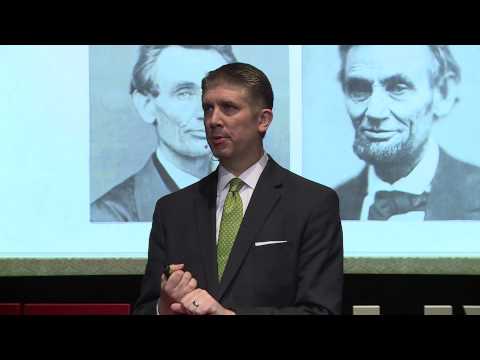
Additionally, Lincoln suffered personal loss with the death of his young son, Willie, which compounded his emotional burden. The toll of the Civil War was evident, with estimates of casualties reaching over a million when accounting for both Union and Confederate losses. Lincoln's physical appearance changed dramatically during his presidency, reflecting the stress and sorrow he endured.
In his address, Lincoln concluded with a call for unity and healing, stating, "with malice toward none, with charity for all, with firmness in the right as God gives us to see the right, let us strive on to finish the work we are in." This sentiment was unprecedented for a leader in the midst of a civil conflict. Lincoln's ability to express such magnanimity stemmed from his moral imagination.
Moral imagination, in Lincoln's context, refers to his capacity to envision a world grounded in higher principles of justice and equality. He did not create a new morality but rather drew upon the traditional ethical and religious ideals of his time, interpreting them deeply. Lincoln recognized the inherent equality of all men and the necessity of addressing the moral wrong of slavery.
Lincoln's vision required Americans to acknowledge their imperfections and to practice love and charity, even towards their enemies. His address was not merely a call for peace but a challenge to engage in the difficult work of moral truth. He understood that while the war was nearing its end, the struggle for justice and equality was far from over.
Lincoln's life was tragically cut short, but his words continue to resonate today. In a time of increasing polarization and division, his message of pursuing moral truth with charity and without malice is more relevant than ever. Lincoln would encourage us to reflect deeply on the founding ideals of our nation and to strive towards them with compassion and understanding.
Abraham Lincoln's second inaugural address serves as a powerful reminder of the potential for visionary leadership rooted in moral imagination. His ability to navigate the complexities of his time with grace and humility offers valuable lessons for contemporary leaders and citizens alike. As we face our own challenges, let us heed Lincoln's call to pursue justice with charity for all and malice toward none.