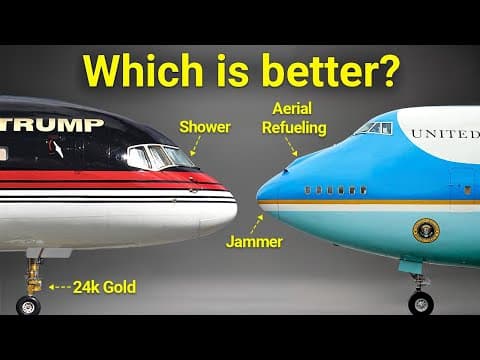
This article compares Trump Force One and Air Force One, examining their specifications, design, functionality, and operational costs, highlighting the differences between a private luxury jet and a government aircraft designed for presidential duties.
In the world of aviation, few aircraft are as recognizable as Trump Force One and Air Force One. Both jets serve the purpose of transporting influential figures, but they differ significantly in design, functionality, and operational costs. This article delves into the details of these two iconic aircraft, exploring their specifications, interiors, and the implications of their use.
Trump Force One is a Boeing 757-200, acquired by Donald Trump over a decade ago. It has been outfitted with luxurious designs and amenities, making it a symbol of personal style and opulence. Here are some key specifications:
The exterior features a striking design with a giant 'T' on the tail and the name "Trump" emblazoned on the fuselage. Recently, the livery was updated to include a black and gold design along with an American flag.
Air Force One, on the other hand, is a modified Boeing 747-200B, known as the VC25B. It is often referred to as a flying White House due to its extensive capabilities. Here are its specifications:
The aircraft is painted in a distinctive blue, white, and light blue color scheme, featuring the presidential seal and the words "United States of America" prominently displayed.
The interior of Trump Force One is designed for luxury and comfort, featuring:
While the aircraft is functional, it leans more towards form, showcasing Donald Trump's personal style.
In contrast, Air Force One prioritizes functionality and security. Its interior includes:
Air Force One is designed to ensure that the president can perform their duties effectively, even while in transit.
Operating Trump Force One is significantly less expensive than Air Force One. The estimated cost per flight hour ranges from $8,000 to $10,000, covering fuel, maintenance, crew salaries, and other operational expenses. Since it is privately owned, these costs are borne by Donald Trump himself, funded through his business ventures.
In contrast, the operational costs for Air Force One are considerably higher, estimated at over $2,964 per minute, which includes expenses for fuel, maintenance, security measures, staffing, and inflight services. The costs are covered by the U.S. federal budget, specifically allocated to the Department of Defense and the U.S. Air Force, meaning taxpayers ultimately foot the bill.
Both Trump Force One and Air Force One serve as national symbols, representing different aspects of air travel for influential figures. While Trump Force One offers a lavish experience, Air Force One is equipped to handle the critical responsibilities of the president. The choice between the two ultimately depends on what one values more: luxury or functionality. As both aircraft face their own challenges, including aging technology and operational costs, the debate over their worthiness as investments continues. If given the choice, which aircraft would you prefer to travel in?