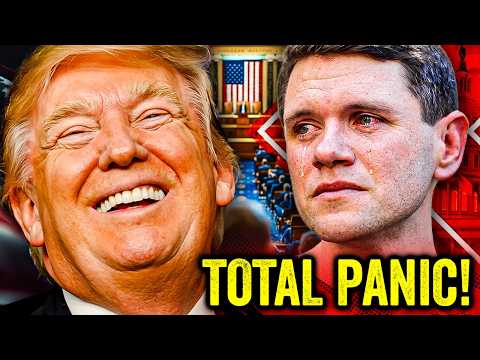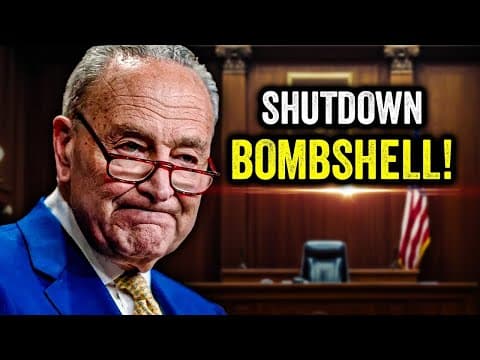
In a bold political maneuver, Trump challenges Democrats to defend big insurance companies during the longest government shutdown in history. By proposing direct healthcare funding to Americans, he shifts the narrative and aims to reinvigorate his support base, potentially reshaping the political landscape.
In a surprising turn of events, President Trump has made a significant political move that could reshape the current landscape of American healthcare and politics. Following the recent elections, Trump appears to have taken a decisive stance against the Democrats, particularly targeting their support for big insurance companies amid the ongoing government shutdown, which has now become the longest in U.S. history.
The government shutdown has been prolonged largely due to the Democrats' insistence on extending Obamacare subsidies, which amount to several hundred billion dollars. This demand has put them in a precarious position, as they are now seen as defenders of the very corporations that many independent voters have grown to distrust. The Affordable Care Act (ACA), enacted in 2010, has transformed health insurers into major beneficiaries of government spending, leading to skyrocketing insurance premiums and stock prices for these companies.
Recently, Senate Majority Leader Chuck Schumer made a significant concession, signaling a shift in the Democrats' stance. He proposed a compromise: the Democrats would agree to a clean continuing resolution (CR) if Republicans consent to a one-year extension of Obamacare premium tax credits, which are set to expire at the end of the year. This concession is particularly notable as it highlights the Democrats' vulnerability in the current political climate.
In response to Schumer's concession, Trump made a bold proposal that could potentially disrupt the status quo. He suggested redirecting the funds meant for insurance companies directly to the American people, allowing them to purchase their own healthcare. This idea mirrors existing programs like Education Savings Accounts (ESAs), where government funds are allocated for specific educational expenses. Trump’s vision of a national Health Savings Account (HSA) would empower individuals to make their own healthcare choices, fostering a free-market approach.
Trump's proposal places the Democrats in a challenging position. They now have to defend the profits of insurance companies, which contradicts their long-standing narrative of advocating for the average American. This strategic move could alienate them from their base, particularly as progressive Democrats have historically criticized these corporations.
Republicans, sensing an opportunity, are rallying around Trump's plan. Senator Rick Scott from Florida has already begun drafting legislation to implement HSA-style accounts, emphasizing personal choice and competition in healthcare. This approach could significantly lower costs and provide more options for consumers, particularly benefiting lower-income individuals.
The reaction from Democrats has been swift and critical. Senator Chris Murphy labeled Trump's proposal as nonsensical, while online liberal communities expressed outrage. Their arguments primarily hinge on a fundamental belief that the public cannot be trusted to make informed healthcare decisions, suggesting that only the government knows how to allocate resources effectively.
Beyond the immediate implications of the shutdown, Trump's strategy could have lasting effects on the Republican Party's appeal to disaffected voters. Recent election data indicated that while Republican turnout was strong, many independent voters, particularly working-class and Latino voters, felt neglected by the party. They expressed concerns about affordability and healthcare costs, which Trump is now addressing head-on.
Trump's focus on domestic policies, such as investigating price collusion among meatpacking corporations and proposing extended mortgage terms for young people, aligns with the needs of these voters. By prioritizing American interests over foreign engagements, he aims to rebuild the coalition that once propelled him to victory.
As the government shutdown continues, Trump's strategic maneuvering has placed the Democrats in a precarious position, forcing them to defend big insurance companies at a time when public sentiment is shifting. His proposal for direct healthcare funding to Americans could not only reshape the healthcare debate but also reinvigorate his support base. The coming weeks will be crucial in determining how this political chess game unfolds, but one thing is clear: Trump remains a formidable force in American politics.