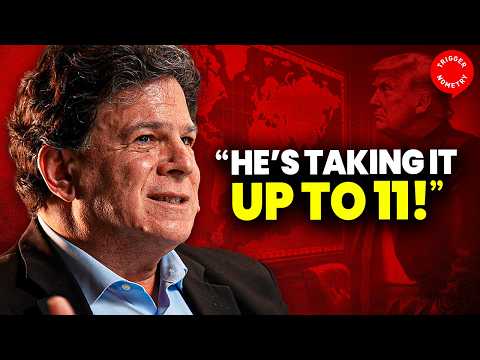
Eric Weinstein discusses the implications of Donald Trump's presidency, emphasizing the unpredictability and potential for both disaster and opportunity in global politics. He highlights the need for a shake-up in international agreements and the risks associated with Trump's unique approach to governance.
In a recent discussion, Eric Weinstein shared his insights on the implications of Donald Trump's presidency, describing it as a pivotal moment in American and global politics. He emphasized the unpredictability of Trump's approach and the potential consequences of his actions on international relations.
Weinstein begins by noting that Trump is perhaps the most anomalous politician in modern history. His presidency represents a departure from traditional political norms, leading to discomfort among those who attempt to categorize him within established political frameworks. This unpredictability raises concerns about the potential risks and rewards of his governance.
With the election concluded, Trump has a clear mandate to govern. Weinstein acknowledges the stunning nature of the election results, suggesting that they reflect a broader discontent with the political status quo. Many Americans feel that the left has moved too far, leaving the country behind, and Trump's election may signal a necessary correction.
Weinstein expresses concern about the structural changes Trump may initiate, particularly regarding international agreements such as NATO and NAFTA. He likens these agreements to load-bearing walls in a building, suggesting that their removal could lead to catastrophic consequences if not handled properly. While some structures are indeed diseased and in need of reform, the risk of collapse remains a significant concern.
The conversation shifts to the state of American democracy, with Weinstein positing that Trump's election is indicative of a crisis in the traditional political system. He argues that the stale agreements established post-World War II are no longer effective, and the coherence that once characterized American governance has decayed over time.
Weinstein reflects on the historical context of the Cold War, suggesting that the current geopolitical landscape is fraught with danger. The existence of nuclear weapons and the potential for conflict among multiple global powers create a precarious situation. He warns that the imagination required to envision nuclear conflict is no longer as distant as it once seemed.
Weinstein discusses Trump's unique negotiation style, which is characterized by unpredictability and a willingness to disrupt established norms. He suggests that Trump's approach may be necessary in a world where traditional methods of diplomacy have failed. However, this unpredictability also raises questions about whether Trump can effectively manage the complexities of international relations.
As the conversation progresses, Weinstein emphasizes the importance of expertise in governance. He expresses concern that the incoming administration may lack the necessary knowledge and skills to navigate the intricacies of foreign policy. The potential for chaos in international relations is heightened by the absence of experienced individuals in key positions.
Despite the risks, Weinstein argues that a shake-up in the political landscape is necessary. He believes that the current system is failing and that Trump's presidency may provide an opportunity for significant change. However, he cautions that the outcome remains uncertain, with the potential for both positive and negative consequences.
In conclusion, Eric Weinstein's analysis of Trump's presidency highlights the complexities and uncertainties of this new political era. While there is potential for transformative change, the risks associated with Trump's unpredictable governance cannot be overlooked. As the world watches, the implications of Trump's actions will undoubtedly shape the future of international relations and American democracy.