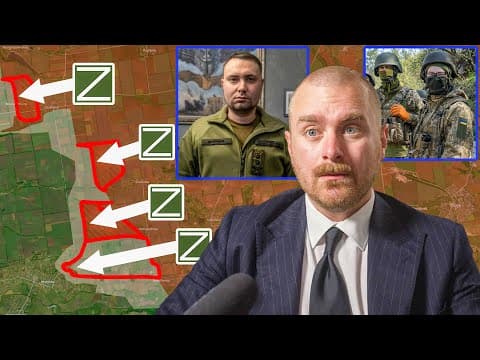
Ukraine's Defense Intelligence Chief warns of an existential threat if negotiations to end the war do not commence by summer. The country faces severe manpower shortages, mass desertions, and the disintegration of military brigades, complicating its defense against Russian advances. Recent drone attacks on Russian oil facilities highlight the ongoing conflict's strategic shifts.
In the ongoing conflict between Ukraine and Russia, the situation remains dire as Ukraine's Defense Intelligence Chief, Kyrylo Budanov, has issued a stark warning regarding the future of the nation. This blog post delves into the implications of his statements, the current military challenges faced by Ukraine, and the strategic developments on the battlefield.
Kyrylo Budanov has indicated that Ukraine could face an existential threat if serious negotiations to end the war do not begin by summer. With only four months remaining until June, the urgency of the situation is palpable. During a closed meeting with parliamentary leaders and defense officials, Budanov's calm demeanor contrasted sharply with the gravity of his message: without negotiations, dangerous developments could threaten Ukraine's very existence.
Budanov's comments come amidst a backdrop of increasing manpower shortages and mass desertions within the Ukrainian military. Reports indicate that several brigades, including the 155th and 157th, have experienced significant losses and desertions, raising concerns about the overall effectiveness of Ukraine's military forces.
The Ukrainian military is grappling with severe manpower shortages, which have become more pronounced in Western media. Calls for lowering the conscription age and mobilizing more individuals have emerged, but the effectiveness of such measures remains questionable given the current timeline.
Recent reports highlight the disintegration of newly formed brigades, such as the 157th Mechanized Brigade, which was deployed without adequate training. This lack of preparation has resulted in heavy casualties and a high desertion rate. The situation reflects a broader trend of sending untrained units into the most demanding front lines, which is not only dangerous but also unsustainable.
In a significant escalation, Ukrainian drones have targeted the Ryazan oil facility in Russia, leading to operational suspensions and damage to critical infrastructure. This shift in tactics indicates a strategic focus on disrupting Russian supply lines and resources, even as Ukraine faces its own challenges on the ground.
The conflict has also seen an increase in the use of thermobaric multiple launch rocket systems by Russian forces. These weapons are particularly devastating in urban combat scenarios, suggesting that Russia is preparing for intensified operations in key areas.
The current state of the Ukrainian military raises questions about leadership and strategic decision-making. Critics argue that the formation of new brigades without proper training and support is a fundamental flaw in Ukraine's military strategy. Instead, reinforcing existing units with experienced personnel could yield better results on the battlefield.
As Ukraine navigates these challenges, the role of international support becomes increasingly critical. The need for advanced weaponry, training, and strategic guidance is paramount to bolster Ukraine's defenses and enhance its negotiating position.
The situation in Ukraine is precarious, with the Defense Intelligence Chief's warning underscoring the urgency for negotiations and strategic military reforms. As the conflict continues, the interplay between manpower shortages, military disintegration, and strategic developments will shape the future of Ukraine's defense and its very existence as a nation. The coming months will be crucial in determining the outcome of this ongoing struggle.