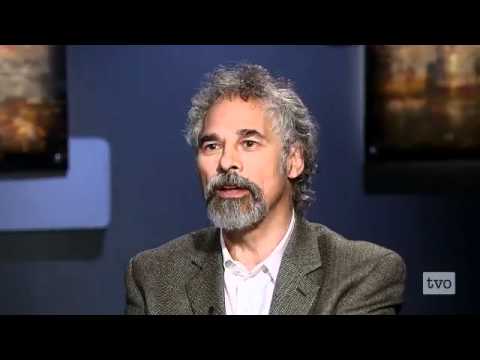
Jonathan Rudin, program director at Aboriginal Legal Services of Toronto, discusses the overrepresentation of Aboriginal Canadians in the criminal justice system and the transformative justice approach that seeks to address root causes of criminal behavior through community involvement and healing.
In a recent discussion, Jonathan Rudin, the program director at Aboriginal Legal Services of Toronto, shed light on the alarming statistics surrounding Aboriginal Canadians in the criminal justice system. Despite making up only about 3% of the Canadian population, Aboriginal people represent a disproportionate number of victims and offenders. This blog post explores the complexities behind these statistics and the transformative justice initiatives aimed at addressing these issues.
Statistics reveal a stark reality: between 1997 and 2004, Aboriginal people accounted for 177% of homicide victims and 23% of those accused of committing homicide. The average homicide rate for Aboriginal people was nearly seven times higher than that of non-Aboriginal people. In 2003-2004, Aboriginal adults represented 21% of admissions to provincial and territorial sentenced custody and 18% of federal facility admissions. In Saskatchewan, Aboriginal people made up 80% of those admitted to provincial custody, despite being only 10% of the provincial adult population.
Rudin emphasizes that the overrepresentation of Aboriginal people in the penal system is a complex issue rooted in historical injustices. The federal government has a long history of discriminatory practices aimed at eliminating Aboriginal cultures, including the establishment of residential schools, which only closed in the 1990s. The impacts of these policies continue to affect Aboriginal communities today, contributing to a lack of identity and recognition of pain.
Aboriginal people often face systemic disadvantages, including lower education and income levels, and higher rates of health issues and suicide. These factors trace back to the consequences of European contact, which disrupted functional Aboriginal societies. The ongoing discrimination and lack of access to resources exacerbate these challenges, leading to higher rates of criminal behavior.
Rudin runs a criminal diversion program called the Community Council, which aims to provide a healing path for Aboriginal offenders. This program involves community volunteers who engage with individuals accused of crimes to discuss the underlying issues that led to their conflicts with the law. The goal is to help participants recognize their problems and find constructive ways to address them.
The core principles of this approach include respect and kindness. By treating individuals with dignity and understanding, the program fosters an environment where participants feel empowered to change their lives. The process encourages open dialogue, allowing individuals to explore their experiences and the root causes of their behavior.
For example, if a 19-year-old Aboriginal youth commits a petty offense like theft, the Community Council facilitates a discussion where the youth can share their story and connect with others who have faced similar challenges. This process helps the individual reflect on their actions and consider the underlying issues, such as substance abuse or educational struggles.
While the program primarily addresses less severe offenses, Rudin notes that the root causes of more serious crimes, such as murder or sexual assault, often stem from similar issues. Early intervention and addressing these root causes can prevent escalation into more severe criminal behavior.
Victims of crime are invited to participate in the Community Council discussions, although their attendance is not always guaranteed. When victims do attend, they often express interest in understanding the circumstances that led to the crime, which can help humanize the offender and foster healing for both parties.
The Community Council program is designed to be inclusive of all Aboriginal people, regardless of their specific tribal affiliation. It serves as an entry point for individuals who may be disconnected from their cultural roots, helping them reconnect with their heritage and community resources.
Rudin reports that thousands of offenders have gone through the program over the past 20 years, with studies indicating a statistically significant reduction in recidivism rates among participants. However, the program faces challenges, including political pressures and funding uncertainties. Despite these challenges, the program continues to operate with the support of provincial and federal funding.
Jonathan Rudin's insights into Aboriginal transformative justice highlight the need for a more compassionate and effective approach to criminal behavior within Aboriginal communities. By addressing the root causes of crime and fostering community involvement, programs like the Community Council aim to create safer communities and promote healing for individuals and their families. The conversation around these issues is crucial for understanding and improving the justice system for Aboriginal Canadians.