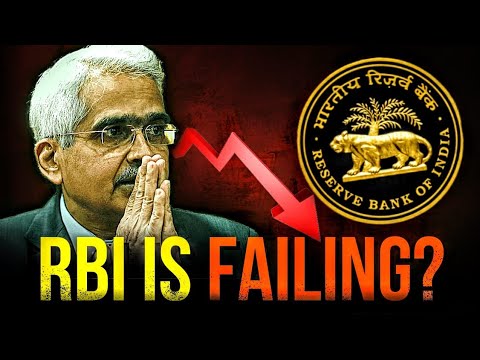
This blog post explores the current inflation crisis in India, examining the factors contributing to rising prices, the actions taken by the Reserve Bank of India (RBI) to control inflation, and the implications for ordinary citizens and businesses. It highlights the complexities of inflation measurement, the impact of global events like the Russia-Ukraine war, and the challenges faced by the RBI in curbing inflation despite rate hikes.
India's Central Bank, the Reserve Bank of India (RBI), has recently raised the key repo rate by 35 basis points in response to rising inflation. The global economy is currently facing profound shocks and unprecedented uncertainty, largely influenced by geopolitical situations such as the ongoing war in Ukraine, which has significantly impacted food and fuel prices. This blog post delves into the intricacies of inflation in India, the measures taken by the RBI, and the broader implications for the economy and everyday citizens.
Since the onset of the Russia-Ukraine war, inflation in India has surged, surpassing 6%. This spike in inflation is not merely an economic statistic; it has profound political implications as well. Historical data suggests that when inflation increases by 10%, it often leads to a change in the ruling party. This highlights the power of inflation as a political force.
For ordinary citizens, rising inflation translates into higher costs of living. The RBI's response to inflation typically involves increasing the repo rate, which directly affects home loan EMIs (Equated Monthly Installments). For instance, after a repo rate hike in August, a bank increased its interest rate from 6% to 8% per annum, resulting in a significant rise in EMIs for borrowers.
To grasp the complexities of inflation, it is essential to understand how it is calculated. Inflation is measured using the Consumer Price Index (CPI), which tracks the prices of a specific basket of goods and services over time. For example, if the CPI basket includes rice, wheat, and petrol, and their prices increase over a set period, the inflation rate can be calculated based on these changes.
The CPI in India consists of 299 goods and services across eight categories, including education, transportation, and medical care. Data is collected from various markets across the country, and the CPI is calculated using a detailed methodology. The CPI serves as a crucial indicator of economic health, reflecting the cost of living, purchasing power, and the overall value of the currency.
The war in Ukraine has had a significant impact on global commodity prices, leading to increased inflation not just in India but worldwide. Ukraine is a major exporter of wheat and sunflower oil, and the conflict has disrupted supply chains, causing prices to soar. As a result, inflation in the U.S. and European countries has reached levels not seen in decades, further complicating the global economic landscape.
In response to rising inflation, the RBI has implemented several repo rate hikes. The latest increase brought the repo rate to 6.25%. The RBI's strategy involves lending money to commercial banks at this rate, which in turn affects the interest rates that banks charge consumers for loans. For example, if the RBI raises the repo rate, banks will likely increase their lending rates, leading to higher EMIs for home loans and other types of credit.
The impact of these rate hikes is significant. For instance, if an individual has a home loan of 30 lakh rupees, an increase in interest rates can lead to a substantial rise in monthly payments, reducing disposable income and purchasing power. This, in turn, affects consumer spending across various sectors, from entertainment to essential goods.
Despite the RBI's efforts to curb inflation through rate hikes, the underlying causes of rising prices are complex. Inflation is not solely driven by demand; it is also influenced by supply chain disruptions and increased costs of raw materials. For example, the prices of essential commodities like palm oil and fertilizers have surged due to geopolitical tensions and production challenges.
As the RBI raises interest rates to reduce demand, it inadvertently creates a situation where consumers have less purchasing power, leading to decreased spending. However, if the cost of goods continues to rise due to supply constraints, the effectiveness of these measures is diminished.
The current inflation crisis in India is a multifaceted issue influenced by global events, domestic policies, and economic fundamentals. While the RBI has taken steps to control inflation through repo rate hikes, the challenges posed by rising input costs and supply chain disruptions complicate the situation. Understanding these dynamics is crucial for citizens and businesses alike, as they navigate the economic landscape shaped by inflation.
To better comprehend these concepts and their implications, individuals are encouraged to explore study materials that delve deeper into inflation, the CPI, and the role of the RBI in the economy. By gaining a clearer understanding of these topics, citizens can better protect their financial well-being in an inflationary environment.





