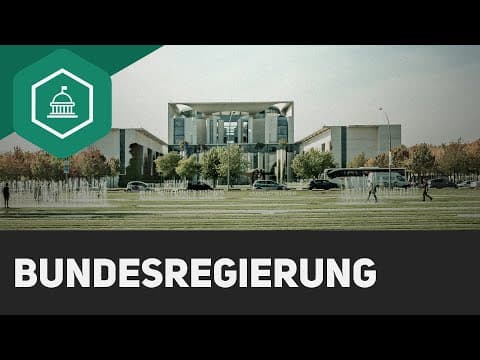
This article explores the structure and functions of the German Federal Government, detailing its key components, roles, and the significance of its operations in the context of German democracy.
The German Federal Government, known as the Bundesregierung, plays a crucial role in the political landscape of Germany. This article delves into its structure, functions, and the significance of its operations within the framework of German democracy.
The Bundesregierung is the executive branch of the Federal Republic of Germany. It is responsible for implementing laws, managing the day-to-day affairs of the state, and representing Germany in international matters. The government is composed of the Chancellor and the federal ministers.
The Chancellor is the head of government and holds the highest executive authority. Elected by the Bundestag (the federal parliament), the Chancellor sets the government’s agenda and represents Germany both domestically and internationally. The Chancellor is supported by the cabinet, which consists of various ministers responsible for specific areas such as finance, foreign affairs, and education.
Federal ministers are appointed by the Chancellor and are responsible for specific government departments. Each minister oversees the implementation of policies and the administration of their respective areas. The collaboration among ministers is essential for the effective functioning of the government.
One of the primary functions of the Bundesregierung is to implement laws passed by the Bundestag. This involves not only enforcing existing laws but also proposing new legislation that aligns with the government’s policy objectives.
The government plays a significant role in shaping national policy. This includes economic strategies, social welfare programs, and foreign relations. The Bundesregierung conducts research, consults with experts, and engages with the public to develop policies that address the needs of the citizens.
The Bundesregierung represents Germany in international affairs. This includes participating in international organizations, negotiating treaties, and fostering diplomatic relations with other countries. The government’s stance on global issues such as climate change, trade, and security is crucial for Germany’s role on the world stage.
The effectiveness of the Bundesregierung is vital for the stability and prosperity of Germany. It ensures that the government remains accountable to the citizens and operates within the framework of democracy. The government’s ability to respond to challenges, such as economic crises or social issues, directly impacts the quality of life for the German people.
In summary, the German Federal Government is a complex and essential institution that plays a pivotal role in the governance of Germany. Understanding its structure and functions helps to appreciate the mechanisms of democracy in action and the importance of effective governance in addressing the needs of the populace. The Bundesregierung not only implements laws but also shapes the future of the nation through its policies and international engagements.