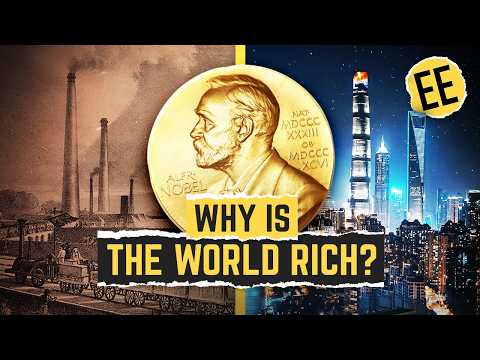
The gold standard, a monetary system where currency is directly linked to gold, has evolved over centuries. Initially, gold coins were used for trade, leading to the creation of paper money backed by gold. However, after 1971, currencies transitioned to fiat money, relying on public confidence rather than tangible assets.
The concept of the gold standard has a rich history that dates back nearly 2600 years. This blog post will explore the evolution of the gold standard, its implications on modern currency, and the transition to fiat money.
Almost 2600 years ago, the first gold coins were minted and used for trade. This innovation marked a significant shift in how transactions were conducted, as it provided a standardized medium of exchange that was widely accepted.
As trade expanded, people began storing their gold in well-guarded vaults. In exchange for their gold, they received receipts from the vault operators. These receipts represented a claim to the gold and could be used to purchase goods and services. This practice laid the groundwork for the development of paper money, which became a more convenient alternative to carrying physical gold.
Initially, most currencies were pegged directly to gold, which is where the term "gold standard" originates. Under this system, individuals could walk into a bank and exchange their paper money for gold at any time. This direct convertibility provided a sense of security and stability in the monetary system.
The landscape of currency began to change after 1945. At this time, currencies were pegged to the US dollar, which was itself pegged to gold at a fixed rate of $35 per ounce. This arrangement allowed for a more flexible international monetary system, but it also meant that individuals could no longer exchange their paper money for gold directly. Only central banks retained this privilege.
As the years progressed, some countries, notably France, began to lose trust in the US dollar. They started converting their dollar reserves into physical gold, leading to a rapid depletion of the US gold reserves. This situation prompted President Nixon to take decisive action.
In 1971, President Nixon officially ended the convertibility of the US dollar to gold, effectively taking the United States—and by extension, the world—off any semblance of a gold standard. This marked a significant turning point in monetary policy.
With the abandonment of the gold standard, the money we use today is no longer backed by any tangible asset. Instead, it is referred to as fiat currency, which derives its value from the confidence that people have in the issuing government. For instance, the US dollar is backed by the confidence in the United States, while the British Pound is supported by confidence in the UK.
The transition from the gold standard to fiat currency has fundamentally changed the way we perceive and use money. Today, the value of one currency compared to another fluctuates continuously, driven by confidence, supply, and demand. Understanding this evolution is crucial for grasping the complexities of modern economics and the role of currency in our daily lives.