Franz Kafka's "The Metamorphosis" explores themes of alienation, identity, and the human condition through the surreal transformation of Gregor Samsa into a bug, leading to profound changes in his family dynamics and societal perceptions.
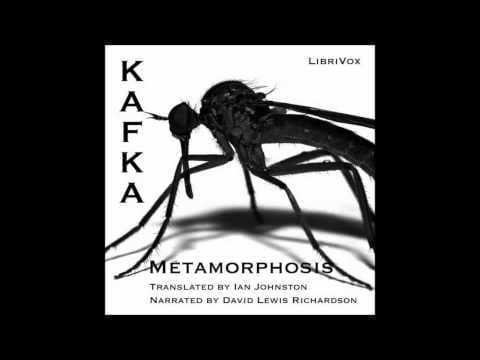
Franz Kafka's novella, "The Metamorphosis," is a profound exploration of alienation, identity, and the human condition. The story begins with the shocking transformation of Gregor Samsa, a traveling salesman, into a monstrous verminous bug. This bizarre event sets off a chain reaction that alters not only Gregor's life but also the lives of his family members.
The narrative opens with Gregor waking up from anxious dreams to discover his grotesque transformation. He finds himself unable to move as he used to, trapped in a body that no longer resembles his human form. Kafka vividly describes Gregor's physical state, emphasizing his helplessness and the stark contrast between his previous life and his current predicament.
Gregor's initial thoughts reveal his concerns about missing work and disappointing his boss, showcasing his deep-seated sense of responsibility and the pressures of his job. This moment highlights Kafka's critique of the capitalist society that prioritizes productivity over individual well-being.
As the story progresses, the impact of Gregor's transformation on his family becomes increasingly evident. Initially, his family is concerned about his well-being, but as time passes, their sympathy wanes. Gregor's sister, Grete, who initially takes on the role of caretaker, gradually becomes resentful of the burden he represents. The family's financial struggles intensify, leading to a shift in their attitudes towards Gregor.
The family's reaction to Gregor's condition reflects broader themes of alienation and the loss of identity. As Gregor becomes more isolated, his family members begin to view him as a burden rather than a loved one. This transformation in their perception underscores the fragility of familial bonds in the face of adversity.
Gregor's metamorphosis into a bug serves as a powerful symbol of his alienation from society and his family. The bug represents not only Gregor's physical state but also his emotional and psychological deterioration. As he struggles to adapt to his new form, he becomes increasingly disconnected from his human identity.
Kafka uses this transformation to explore themes of existentialism and the absurdity of life. Gregor's plight raises questions about the nature of existence and the meaning of identity. Is he still Gregor Samsa, or has he become something entirely different? This ambiguity invites readers to reflect on their own identities and the societal roles they inhabit.
The climax of the story occurs when Gregor's presence becomes intolerable for his family. After a series of events that lead to increased tension, Grete declares that they must get rid of him. This moment marks a turning point in the narrative, as it signifies the complete breakdown of familial ties and the ultimate rejection of Gregor as a member of the family.
In the end, Gregor's death is met with indifference by his family, who are relieved to be free from the burden he represented. This resolution highlights the harsh realities of life and the often cruel nature of human relationships. Kafka leaves readers with a sense of despair, prompting them to consider the implications of Gregor's transformation and the societal structures that contribute to such alienation.
Franz Kafka's "The Metamorphosis" is a timeless exploration of the human condition, delving into themes of identity, alienation, and the complexities of family dynamics. Through Gregor Samsa's surreal transformation, Kafka challenges readers to confront uncomfortable truths about society and the nature of existence. The novella remains a powerful commentary on the struggles of the individual in a world that often prioritizes conformity and productivity over compassion and understanding.