The blog post explores the story 'Asli Baat' by Nasira Sharma, which depicts the impact of communal riots and curfews on Hindu-Muslim relations, highlighting themes of humanity, compassion, and the power of food to unite people amidst conflict.
In the midst of communal riots and curfews, the story 'Asli Baat' by Nasira Sharma delves into the fragile relationship between Hindus and Muslims, showcasing the struggles and humanity that emerge during times of crisis. This blog post will explore the key elements of the story, its characters, and the profound messages it conveys.
Nasira Sharma, born in 1948 in Allahabad, is a prominent Indian author known for her impactful storytelling. Her notable works include Saat Nadiyan Ek Samandar, Shal Maliya, Thare Ki Mangni, and Parijat. She has received several accolades for her contributions to literature, including the Sahitya Akademi Award in 2016 for her novel Parijat and the Vyas Samman in 2019.
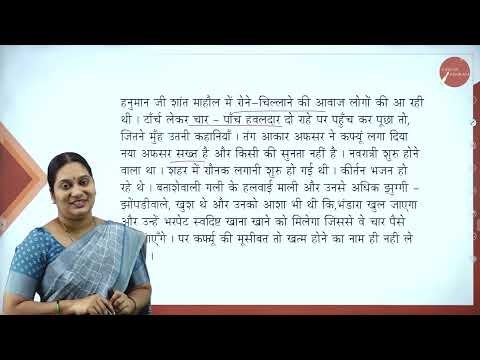
The story 'Asli Baat' unfolds in a city plagued by riots, where a curfew has been imposed, leading to dire consequences for the residents. The narrative captures the essence of human relationships amidst chaos, focusing on the interactions between various characters during this tumultuous time.
The story begins with a vivid description of the deserted streets and closed shops, emphasizing the eerie silence that envelops the city. The police patrol the area, enforcing the curfew, while the residents are confined to their homes, facing the threat of starvation as they run out of supplies. The atmosphere is tense, with sporadic gunfire and the fear of violence looming large.
The main characters in the story include:
As the story progresses, Ramdeen encounters a desperate mother pleading for help to soothe her ailing child. Despite the strict orders from his superiors to shoot anyone suspicious, Ramdeen's compassion drives him to assist her. This moment highlights the internal conflict between duty and humanity.
The narrative further explores the consequences of the curfew, revealing the struggles of families facing hunger and despair. The characters' interactions reflect the broader societal issues of communal tension and the need for understanding.
Throughout 'Asli Baat', Sharma emphasizes the importance of compassion in overcoming societal divides. Ramdeen's actions serve as a reminder that humanity transcends religious boundaries. The story illustrates how, in times of crisis, individuals can rise above their differences to support one another.
Food emerges as a powerful symbol in the story, representing sustenance and unity. As the characters face starvation, the communal aspect of sharing food becomes a focal point for reconciliation. The narrative suggests that food has the potential to bridge divides, fostering connections between people from different backgrounds.
'Asli Baat' is a poignant exploration of the human condition during times of conflict. Nasira Sharma masterfully weaves a narrative that not only highlights the struggles faced by individuals during communal riots but also underscores the importance of compassion and understanding. The story serves as a reminder that, despite the chaos, the essence of humanity can prevail, and food can be a unifying force in a divided society.
In conclusion, Sharma's work encourages readers to reflect on the impact of communal tensions and the need for empathy in fostering peace and harmony among diverse communities.