The US housing market is experiencing unprecedented builder inventory, particularly in Florida, leading to significant price cuts and potential affordability for buyers. However, concerns about a market correction loom as supply exceeds demand, raising questions about future price stability and economic impacts.
The US home building market is currently facing a significant challenge, with a record number of homes for sale. This situation is particularly acute in the southern states, especially Florida, where builders are offering quick move-in homes at steep discounts. In this blog post, we will explore the implications of this inventory surge for home buyers and the broader housing market.
As of now, the inventory of homes built by builders is at an all-time high, with over 300,000 new homes available for sale in the South alone, according to the US Census Bureau. This figure surpasses even the levels seen during the 2006 housing bubble, raising concerns about the potential for a market correction.
In response to the oversupply, builders are slashing prices to attract buyers. For instance, some homes in central Florida have seen price reductions of up to $100,000. This trend is restoring some level of affordability to the market, which is beneficial for prospective home buyers. The homes in the area are priced between $290,000 and $340,000, making them more accessible compared to previous years.
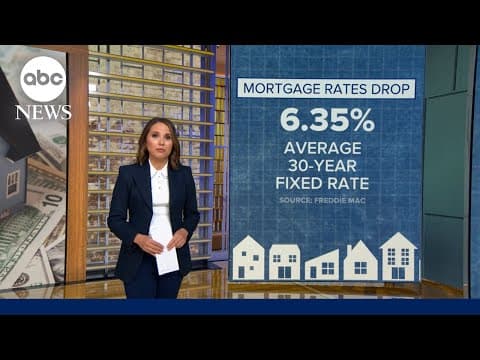
Builders are responding to the excess inventory by offering incentives such as lower mortgage rates. Many builders are advertising special interest rates that can be significantly lower than the current market rates, sometimes dropping from 7% to as low as 5%. This strategy aims to enhance affordability and stimulate sales in a challenging market.
The current situation with builder inventory serves as a leading indicator of the housing market's health. When builders increase inventory and cut prices, it signals a need for adjustments in the market. The data suggests that a price drop of around 20% and a reduction in mortgage rates to between 5% and 5.5% may be necessary to stimulate sales effectively.
Despite the positive aspects of lower prices, there are significant concerns regarding the overall housing market and the economy. The months of supply metric, which indicates how long it would take to sell the current inventory at the current sales pace, is alarmingly high. As of May 2025, the months of supply stood at 9.8 months, nearly double the long-term average of around 5 months. Historically, such excess supply has often preceded economic downturns.
The high inventory levels could lead to a contraction in the home building market, which may result in layoffs within the construction sector. While builders are still actively constructing homes, the question remains whether they can sustain this pace given the current market dynamics.
A survey of potential home buyers reveals that about 16-17% are eager to purchase a home in 2025, while 50-60% are waiting for further price drops before making a decision. This hesitation reflects the uncertainty surrounding the market's future trajectory.
For those considering purchasing a home, it is crucial to understand the current market conditions, including the overvaluation rates in specific areas. In Florida, for example, homes are still approximately 17% overvalued compared to long-term norms, despite recent price drops. Buyers should conduct thorough research to determine whether the market is undervalued or overvalued before making a purchase.
Looking ahead, the Federal Reserve is expected to cut interest rates multiple times by the end of 2025. While this could potentially lower mortgage rates, it is important to note that past rate cuts have not always resulted in lower mortgage rates. The relationship between Fed rates and mortgage rates is complex and influenced by various market factors.
In summary, the current state of the US housing market presents both challenges and opportunities for buyers. While the record builder inventory and price cuts may enhance affordability, the potential for a market correction looms large. Buyers should remain informed about market conditions, overvaluation rates, and the implications of Federal Reserve policies as they navigate their home buying decisions. Understanding these factors will be crucial in making informed choices in a rapidly changing housing landscape.