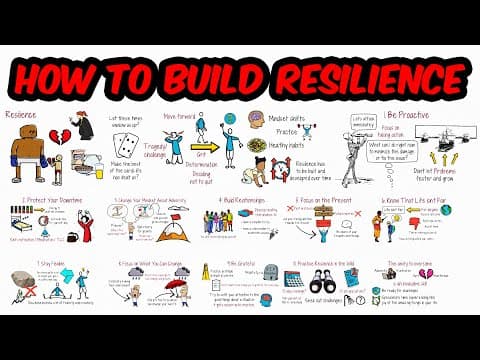
Resilience is a crucial skill that can be developed through proactive actions, mindset shifts, and healthy habits. This article outlines ten effective strategies to enhance resilience, including being proactive, protecting downtime, changing your mindset about adversity, building relationships, focusing on the present, accepting life's unfairness, staying flexible, concentrating on what you can change, practicing gratitude, and seeking challenges.
In life, everyone encounters hardships. Some challenges are significant, while others may seem trivial. Whether it’s the loss of a loved one, getting laid off, experiencing heartbreak, or even a minor mishap like putting orange juice in your cereal instead of milk, tough times are inevitable. When faced with these difficulties, we have a choice: we can either let them overwhelm us or we can choose to persevere and make the best of our circumstances. This is where resilience comes into play.
Resilience is the ability to recover from setbacks, adapt well to change, and keep going in the face of adversity. It embodies grit and determination, representing the decision not to quit, even when the worst happens. Importantly, resilience is not an innate trait; it is a skill that must be developed over time. Fortunately, anyone can cultivate resilience through mindset shifts, practice, and healthy habits. Here are ten effective strategies to help you build resilience and navigate life's challenges.
Resilient individuals tackle problems head-on rather than allowing them to fester. When faced with a challenge, take immediate action. Instead of spiraling into negative thoughts, ask yourself what you can do right now to minimize the damage or resolve the issue. This proactive approach helps prevent problems from escalating.
Rest is essential for resilience. When you are well-rested, you have the energy to confront challenges effectively. Make it a priority to set aside time each day for self-reflection, meditation, or simply relaxing. By protecting your downtime, you will be better prepared to handle difficulties when they arise.
Reframe your perspective on adversity. Instead of viewing challenges as problems, see them as opportunities for growth. Shift your focus from "Why is this happening to me?" to "What can I learn from this?" This mindset change encourages a more productive response to difficulties and fosters personal development.
Resilient people understand the importance of support systems. Cultivate strong, healthy relationships with friends and family who can provide emotional support during tough times. Investing time in these relationships will pay off when you face challenges, as you will have trusted individuals to lean on.
Practicing mindfulness can significantly enhance resilience. When you find yourself dwelling on past mistakes or worrying about the future, redirect your attention to the present moment. Recognizing that the past and future are beyond your control allows you to conserve energy for what you can influence now.
Accepting that life is inherently unfair can be liberating. Everyone experiences hardship, and recognizing that you are not alone in your struggles can provide comfort. Resilient individuals acknowledge the unfairness of life without dwelling on it, focusing instead on what they can control.
Resilience is not about being rigid; it involves flexibility and creativity. Life's challenges may require you to pivot and adapt your approach to achieving your goals. Embrace change and remain open to new strategies, which will help you navigate difficulties more effectively.
Concentrate your efforts on aspects of your life that you can influence. Blaming external circumstances for your situation can lead to a defeated mindset. Instead, take ownership of your life and recognize that you have the power to effect change.
Negativity can undermine resilience. Cultivating gratitude can shift your focus from what is wrong to what is right in your life. Make it a habit to write down three things you are grateful for each day. This practice can enhance your overall contentment and help you maintain a positive outlook.
Seek out challenges intentionally to build your resilience. Engage in activities that push your limits, such as starting a 30-day challenge or applying for jobs despite the possibility of rejection. These experiences will teach you to embrace failure and demonstrate that you can overcome obstacles.
Resilience is one of the most valuable skills we can develop. It enables us to overcome adversity, frustration, and heartbreak, allowing us to focus on the positive aspects of life. By implementing these ten strategies, you can enhance your resilience and better prepare yourself for the inevitable challenges that life will present. Embrace the journey of building resilience, and you will find greater joy in the experiences life has to offer.