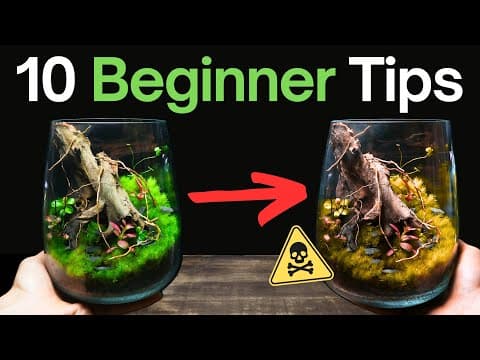
This blog post provides ten crucial tips for beginners looking to create and maintain healthy terrariums, covering container selection, drainage layers, substrate quality, plant choices, and maintenance practices.
Creating a terrarium can be a rewarding and enjoyable hobby, but it requires some knowledge to ensure your mini ecosystem thrives. Here are ten essential tips that every beginner should know before starting their terrarium journey.
The first step in building a terrarium is selecting a suitable container. While various options exist, some are more beginner-friendly than others. For instance, containers with narrow openings can make it challenging to add materials. Long tweezers can help, but they may not be ideal for first-time builders.
A drinking glass can work well, provided you have a suitable lid to prevent moisture loss. Clip lid jars are recommended for beginners due to their wide openings and included lids, making them easy to work with.
A drainage layer, also known as a false bottom, is crucial for the health of your terrarium. This layer, made of rocks, stones, or gravel, sits at the base and allows excess water to collect without saturating the substrate. Without it, water can stagnate, harming your plants.
For drainage, fine aquarium gravel, PE gravel, or lightweight leca are excellent choices. If you're on a budget, small, cleaned rocks from outside can also work.
The substrate is the lifeline of your terrarium's health. A quality mix is essential for moisture retention, nutrient provision, and drainage. A recommended substrate mix includes:
This mix can support both small and large terrariums. If making your own is not feasible, many ready-made substrates are available in gardening and reptile shops.
While primarily aesthetic, hardscape elements like rocks and wood can enhance the natural look of your terrarium. Options include geostone, dragon stone, lava rock, and various types of driftwood. You can find these at aquarium and reptile shops or even collect them responsibly from nature.
For those looking to deepen their terrarium-making skills, consider checking out specialized resources such as terrarium-making eBooks. These can provide valuable insights and help you avoid common beginner mistakes.
Not all plants thrive in terrariums due to the high humidity. Some excellent choices include:
Using a variety of plants with different leaf shapes and textures can create a more visually appealing ecosystem.
Over time, plants and moss can become overgrown, leading to a cluttered appearance and potential health issues. Regular trimming is essential to maintain a healthy terrarium. If you notice excessive growth, use scissors to carefully trim back the plants and moss.
As terrariums age, algae and dead plant matter can accumulate on the glass, blocking light. Regularly wipe the inside of the glass with a damp paper towel to ensure your plants receive adequate light. Neglecting this can lead to a buildup that makes the terrarium look unappealing and unhealthy.
Lighting is critical for terrarium health. Avoid placing terrariums in direct sunlight, as this can cause overheating and damage. Instead, find a bright spot with indirect sunlight or use LED lights to provide consistent illumination without the risk of overheating.
A common misconception is that airtight terrariums do not require watering. In reality, plants consume water, and you will need to monitor moisture levels. Signs that your terrarium needs water include dry substrate and crispy moss. Use a spray bottle to lightly mist the substrate, ensuring it is damp but not soggy.
Creating a thriving terrarium requires attention to detail and care. By following these ten tips, beginners can set themselves up for success and enjoy the beauty of their mini ecosystems. If you encounter challenges, don't hesitate to seek advice from more experienced terrarium enthusiasts. Happy planting!