Discover 10 effective Japanese organization techniques focused on knowing where everything is, minimizing clutter, and maintaining a calm living space. Learn why owning less, organizing by category, avoiding dead space, and buying items with meaningful stories can transform your daily life and reduce stress.
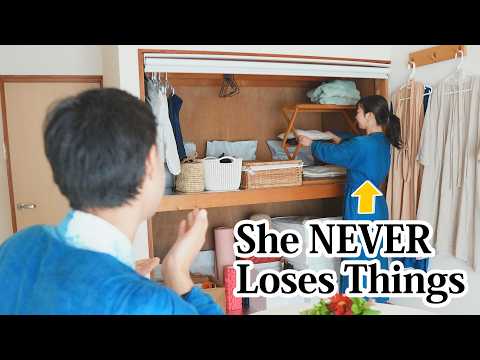
Why is her room always so organized and clean? Since meeting her, I've never seen her room messy — not even after we started living together. At first, I thought she was using some secret ninja skills or illegal-level storage techniques, but it turns out her organizing system is actually super simple and anyone can do it.
She used to manage inventory at Zara and now helps run a natural clothing shop, so organizing things in a beautiful and easy-to-find way is basically her superpower. Here are 10 things I learned from her about keeping a space calm and organized.
The goal of organization is simple: to always know where everything is. Many people, including my past self, think organization is just about making things look clean. We hide stuff in boxes or line things up neatly and think, "Yep, organized." But a week later, we forget where we put things and waste time searching, which causes stress.
Studies show the average person spends around 150 hours a year searching for things — almost 6 whole days! Nobody wants to waste that much time. The ideal is to be able to find things even with your eyes closed, so you can instantly reach what you need without stress.
Many Japanese organizing tips suggest using dead space, but she does the opposite. For example, she has a huge empty space above her closet but doesn’t use it. Why? Because once she started putting things there, stuff piled up and she forgot what was stored there.
If the goal is to always know where everything is, storing things in hidden dead spaces defeats the purpose.
This might sound cliché, but to keep your room organized, you need to own less stuff. The fewer things you have, the easier it is to know where everything is. Once you own less, you barely need fancy storage tricks or dead space.
For example, if you only have three pens, you don’t need dividers or categories to find them — you can find any pen even with your eyes closed.
Organizing by category is the foundation of her system. Each space is like a little map — in the closet, fridge, kitchen shelves — so she never gets lost. When you organize by category, life becomes much easier.
Many people think organizing by category means buying storage dividers. Surprisingly, she barely uses them. Why? Because the type and amount of things always change. Fixed dividers make the space less practical.
For example, in the fridge, some days you buy a lot of natto, other days more tofu. Fixed sections make it harder to adapt. Instead, adjust the layout depending on what you have, like playing Tetris.
She follows a simple Tetris rule: arrange things so they are visible. Visible things are easy to find, which means less stress.
For example, clothes are lined up horizontally so you can see everything. In the fridge, she organizes items so they are visible and easy to grab.
Also, she doesn’t force things into the back of shelves. Instead, she keeps items at the front for easy access, prioritizing visibility over quantity.
For things used often, she keeps them in open storage for easy access. For rarely used items, she stores them away in closed storage boxes. For example, everyday clothes stay out in the open, while off-season clothes are stored in boxes, keeping the room cleaner and calmer.
Organizing starts with giving everything a home. Her rule is to put things where they are easy to grab. But she also puts things where they "feel happiest." For example, she prefers not to leave a heater in a humid bathroom because she feels it’s not comfortable there.
This mindset treats objects as having their own character and comfort.
Instead of separating cleaning supplies by location (bathroom cleaner in the bathroom, toilet cleaner in the toilet), she stores almost all cleaning supplies together in one spot.
This way, she can easily see how much detergent is left and avoid unnecessary duplicate purchases. It also keeps the bathroom and toilet spaces simpler and calmer without cleaning supplies left out.
She used to be a maximalist, buying new clothes and cosmetics almost every week. But after working at Zara, a customer asked her, "Who made this clothing? How was it made?" She had no answer, which made her rethink her buying habits.
She left Zara and started working at a handmade natural clothing shop. Since then, she buys clothes with stories behind them — who made them, where, and if they are eco-friendly.
This mindset made her more attached to her clothes. Instead of throwing them away when dirty or ripped, she repairs and keeps them for a long time, reducing the need to buy new clothes.
Her organizing system is simple but powerful: know where everything is, own less, organize by category, keep things visible, and buy with intention. These techniques create a calm, stress-free living space.
Try incorporating these tips into your own home and see how your daily life becomes lighter and more organized.
What do you think about her organizing system? Feel free to share your thoughts!