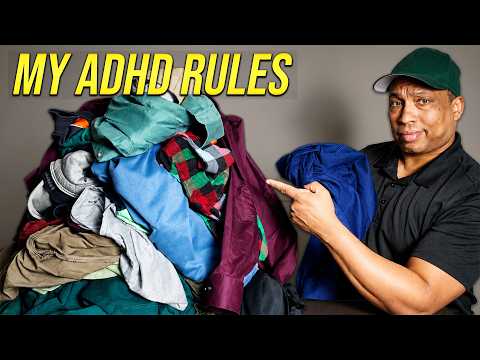
Managing a home with ADHD can be challenging due to clutter piling up from small tasks left undone. This article shares 10 practical home rules that help prevent messes from becoming overwhelming, focusing on simple habits like keeping floors clear, handling clothes promptly, maintaining mostly clear countertops, and using a buy one remove one rule to control clutter growth. These strategies aim to stop falling behind rather than getting ahead.
Have you ever noticed with ADHD that things can seem fine for a few days and then suddenly it feels like everything is falling apart? Not because something huge happened, but because dozens of tiny things start piling up. A shirt on the chair, a package on the counter, a dish in the sink, and before you know it, you're spending the weekend trying to catch up.
I spent years trying different organization systems, cleaning schedules, and productivity hacks. Some helped, but most didn’t last. Over time, I realized that people who stay on top of cleaning their homes aren’t necessarily cleaning more. Many simply have simple rules that stop small messes from becoming big problems.
Today, I’m sharing 10 ADHD home rules that help me do exactly that.
One thing I’ve noticed about ADHD homes is that clutter loves the floor. The problem is once something hits the floor, it starts feeling permanent. One shirt becomes three, three shirts become seven, a package becomes a pile, and soon you have obstacles everywhere you walk.
So, I made a rule: the floor is for walking, not storage, sorting, or temporary holding. When something lands on the floor, it needs a destination. When the floor gets crowded, the room looks messier, cleaning takes longer, and your brain has more visual information to process.
This rule exists to stop tomorrow’s mess from becoming next week’s big problem.
Every ADHD home seems to have one chair that becomes a clothes pile. It starts with one shirt or hoodie and grows into a mini mountain of clothes. The problem isn’t the clothes but the unfinished decisions about what to do with them.
My rule: the chair does not store clothes. If something lands there, it gets handled before bed—not when I feel motivated or have more energy, but before bed. Chairs become clutter magnets, and clutter magnets can become clutter mountains.
Most clutter starts on surfaces, especially countertops. One item leads to another until your brain stops seeing individual items and just sees clutter.
My rule: countertops stay 80% clear. Not perfect or stylish, just mostly open. For example, a coffee maker or fruit bowl can stay, but random clutter does not get permanent counter space.
This helps clutter become obvious sooner, allowing me to catch it while still small. Remember, we’re not trying to get ahead, just stop from falling behind.
ADHD often turns one task into five. For example, with mail, you pick it up, put it down, move it again, and somehow haven’t actually handled it.
I follow the one-touch rule: if possible, handle something only once. Open mail, put dishes in the dishwasher, hang up jackets immediately. Every extra touch creates more work later. This is a setup problem, not a willpower problem.
This rule takes almost no effort. Every time I leave a room, I take one thing with me—just one. It could be a plate, a shirt, or a piece of trash.
Most of us walk through our homes dozens of times a day. This rule turns all those trips into maintenance. Tiny actions repeated often add up, and clutter has fewer chances to pile up.
The moment I notice things starting to slip, I don’t schedule a cleaning day or make a giant checklist. I set a timer for five minutes and clean right then.
Five minutes now can save five hours later. Clutter, laundry, and dishes grow the longer they sit. Many ADHD people think they’re bad at maintaining, but often they just wait too long to intervene.
Five minutes is enough to interrupt the slide. We don’t have to fix everything today; we just need to stop falling behind.
For years, I thought every room needed to look good. That never lasted. Now, I focus on highly visible areas I see every day—my coffee station, kitchen counter, bathroom counter.
When those areas look good, my entire home feels more manageable. Visible wins create momentum and reduce overwhelm. Invisible wins remind me progress is happening.
Before I sit down to watch YouTube, Netflix, or scroll on my phone, I reset one area—not the whole room, not deep clean, just one surface, basket, or pile.
Small resets today create easier mornings tomorrow. I’m not trying to clean the whole house or create a perfect home, just making tomorrow a little easier than today.
I used to buy organizers or bins thinking they’d solve the problem. Containers don’t fix clutter; they organize clutter.
Now, before organizing, I remove things first. Space creates organization, not containers. The fewer things I own, the less I have to manage, making it easier to keep up.
Clutter doesn’t explode overnight; it grows quietly, one item at a time. Every new item creates future work, cleaning, organizing, and decisions.
My rule: when something new comes in, something similar goes out. Get a new shirt, get rid of an old one. New kitchen gadget? Remove an old one. This keeps my home from slowly filling up over time.
I don’t follow these rules perfectly—nobody does. But each rule helps me stay caught up enough so things don’t spiral out of control. My approach to managing my ADHD home is not about getting ahead but stopping from falling behind.
When you stop falling behind, keeping up becomes a whole lot easier.