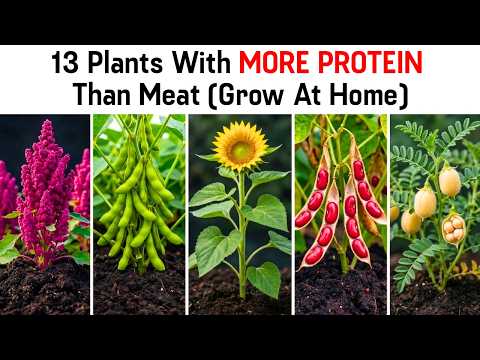
Discover 13 plants that provide more protein per gram than various meats, many of which are complete protein sources containing all nine essential amino acids. These plants, ranging from chia seeds to hemp seeds, have been staples in ancient civilizations and can be grown in home gardens, offering a cost-effective and sustainable alternative to animal protein.
How much did you spend on protein at the grocery store this month? $50? $100? More? Imagine harvesting that same protein from your backyard for the cost of a single seed packet. The meat industry has long convinced us that protein requires animals, but many plants contain more protein per gram than beef, chicken, or steak. These are not exotic species from distant jungles; they grow in backyard gardens worldwide, some maturing in as little as 60 days and some storing for years without refrigeration.
Every one of these plants grows from seeds you can order today and harvest before the season ends. As grocery store prices keep climbing, your garden can keep producing protein for pennies. Notably, plant number three was so nutritionally powerful that Spanish conquistadors banned it under penalty of death, believing it gave warriors supernatural strength.
Here are 13 plants that have more protein than meat and that you can grow at home starting now.
Aztec messengers ran hundreds of miles across the empire fueled by a single tiny seed, calling chia "running food" because a small pouch sustained them for entire journeys. 100 grams of chia seeds contain 17 grams of protein plus all nine essential amino acids, making it a complete protein source.
Chia grows easily in warm weather, reaching 3 to 4 feet tall with beautiful purple flower spikes. Sow directly after the danger of frost has passed in full sun. It tolerates poor soil and drought once established. Harvest when flower heads dry and seeds shake loose. One plant produces thousands of tiny seeds.
Native to Mexico and Guatemala, chia was so valuable that the Aztecs used it as currency and paid taxes with it. Though nearly disappeared after the Spanish conquest, it survived in remote mountain villages.
Long before Europeans arrived, Native American tribes across the Great Plains cultivated sunflowers for their protein-rich seeds. Archaeological evidence shows sunflower domestication over 4,000 years ago.
100 grams of sunflower seeds contain 21 grams of protein, rivaling many cuts of meat. A single sunflower head produces hundreds of seeds from one easy-to-grow plant. Sow seeds after your last frost in full sun. Harvest when the back of the flower head turns brown and seeds look plump.
The Hidatsa and Mandan tribes bred sunflower varieties documented by explorers Lewis and Clark. Sunflower seeds are one of the easiest crops to grow, even for children.
Across sub-Saharan Africa and South Asia, moringa trees grow in poor soil while producing leaves that fight malnutrition. International aid organizations plant moringa because of its exceptional nutrition.
Dried moringa leaves contain 27 grams of protein per 100 grams, exceeding beef, and contain all nine essential amino acids, making it a complete protein source. The tree grows faster than any other food-producing plant, reaching up to 15 feet in its first year.
Grow moringa as a perennial in zone nine and warmer or as an annual in colder zones. Harvest leaves continuously; the more you harvest, the more the tree produces. Moringa tolerates poor soil and drought.
Every fall, millions discard pumpkin seeds, throwing away one of the most protein-dense foods you can grow. 100 grams of pumpkin seeds contain 30 grams of protein, exceeding chicken breast, most fish, and pork.
Any pumpkin or squash variety produces edible protein-rich seeds. Harvest seeds when you harvest the fruit, rinse off pulp, dry, and roast with salt for a nutritious snack. Styrian pumpkins produce hulless seeds bred specifically for seed harvest.
Lentils have fed humanity for over 13,000 years, cultivated before wheat or barley. 100 grams of dried lentils contain 25 grams of protein, nearly matching beef.
Lentils mature in 80 to 110 days and fix nitrogen from the air, improving soil. They grow in cool seasons, allowing planting in early spring or fall. Harvest when pods turn brown and dry. Lentils store for years without refrigeration.
Chickpeas, the main ingredient in hummus, contain 19 grams of protein per 100 grams dried. Originating in the Middle East over 7,000 years ago, chickpeas mature in 90 to 100 days and are drought-tolerant once established.
Plant in warm soil after frost danger passes. Harvest when pods dry on the plant. Shell and store for year-round use. Growing your own chickpeas can significantly reduce the cost of hummus.
Ancient Egyptian pyramid builders consumed fava beans, which contain 26 grams of protein per 100 grams dried, matching beef. Fava beans tolerate frost and grow in cool weather.
Plant in early spring or fall in mild climates. They mature in 80 to 100 days and fix nitrogen, improving soil. Fava beans remain a dietary staple in Mediterranean countries.
Peanuts flower above ground but produce nuts underground. 100 grams of peanuts contain 26 grams of protein, matching beef.
George Washington Carver promoted peanut cultivation as a protein source for poor farmers. Peanuts require a long warm season (120 to 150 days) and sandy, loose soil. Harvest when leaves yellow in fall and cure by hanging in a dry place.
Black beans store for years without refrigeration, maintaining nutritional value. 100 grams of dried black beans contain 21 grams of protein.
Mayan and Aztec civilizations fed millions on beans and corn, creating complete protein. Plant black beans in warm soil after frost danger passes. Harvest when pods dry and rattle. Store in sealed containers in a cool, dark place.
Quinoa, called "mother of all grains" by the Incas, contains 14 grams of complete protein per 100 grams, including all nine essential amino acids.
It grows in poor soil and tolerates drought. Quinoa is a cool-season crop maturing in 90 to 120 days. Rinse seeds to remove bitter saponin coating before cooking. NASA studied quinoa for space missions due to its nutritional profile.
Amaranth was banned by Spanish conquistadors who believed it gave Aztec warriors supernatural strength. 100 grams of amaranth contains 14 grams of complete protein.
The plant grows like a weed, tolerates poor soil and drought, and both seeds and leaves are edible. Sow after frost when soil is warm. Plants self-seed aggressively, providing years of crops.
Soybeans have been cultivated for over 5,000 years in Asia. 100 grams of dried soybeans contain 36 grams of protein, exceeding beef, chicken, pork, and most fish.
Harvest young as edamame in 80 to 90 days or mature pods for dry soybeans in 100 to 120 days. Soybeans fix nitrogen and prefer full sun and average soil. Inoculate seeds with rhizobium bacteria for best yields.
Hemp was historically grown by American founding fathers and was mandatory in colonial America for fiber. The 1937 Marijuana Tax Act banned cannabis cultivation, including industrial hemp, until the 2018 Farm Bill legalized it again.
100 grams of hemp seeds contain 31 grams of complete protein with all nine essential amino acids. The protein is more digestible than soy protein. Hemp seeds also contain the ideal omega-3 to omega-6 fatty acid ratio.
The crop matures in 90 to 120 days, tolerates poor soil, and requires few inputs. Some states require licenses or registration.
These 13 plants produce protein that matches or exceeds meat, with some containing complete protein with all nine essential amino acids. Ancient civilizations built empires on these crops: Aztec warriors ate amaranth, Incan engineers ate quinoa, Egyptian pyramid builders ate fava beans, Asian dynasties ate soybeans, and American colonists ate hemp seeds.
Modern agriculture has largely forgotten these crops, encouraging expensive meat purchases. As meat prices rise and food security declines, seeds remain cheap and soil productive. You do not need feedlots to provide your protein; you need the same crops that fed humanity for thousands of years before factory farming.
Pick three or four plants from this list that suit your climate. Start with sunflowers and black beans if you have never grown protein crops. Add quinoa or amaranth for complete amino acid profiles. Within one season, you will harvest more protein than most realize plants can provide. These crops fed civilizations and are ready to feed you.
If this article changed how you think about protein, consider growing your own protein plants and enjoy a sustainable, nutritious, and cost-effective food source.