This blog post provides a detailed overview of the TEVAR procedure for descending thoracic aneurysms, including the setup, device deployment, and monitoring techniques used during the surgery.
Transcatheter Endovascular Aneurysm Repair (TEVAR) is a minimally invasive procedure used to treat descending thoracic aneurysms. This blog post will walk you through the key steps involved in the TEVAR procedure, including the setup, device deployment, and monitoring techniques utilized during the surgery.
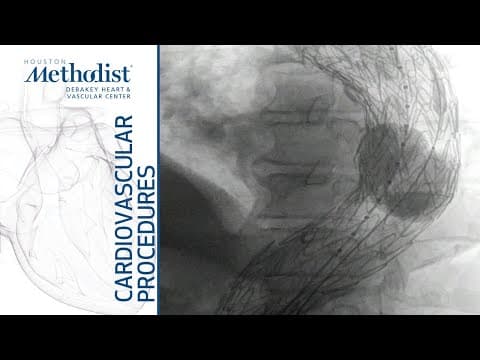
Before beginning the TEVAR procedure, the surgical team prepares the operating room and sets up the necessary equipment. The screen is configured to display what is known as the "cord view," which provides a comprehensive overview of the surgical field. The main screen shows fluoroscopic images, while an accessory monitor displays fusion images. Additionally, transcranial Doppler monitoring is employed to detect any potential emboli during the procedure.
Once the setup is complete, the surgical team begins the deployment of the endograft. The following steps outline the deployment process:
Throughout the TEVAR procedure, continuous monitoring is essential to ensure patient safety and the success of the operation. The transcranial Doppler provides real-time feedback on cerebral blood flow, helping to detect any complications such as embolization.
After deploying the endografts, a completion angiogram is performed to confirm the success of the procedure. The surgical team ensures that the balloons used for sealing the endografts are properly inflated and deflated before repositioning them. This step is critical to avoid complications such as blood loss or improper sealing of the aneurysm.
The TEVAR procedure for descending thoracic aneurysms is a complex but highly effective treatment option. By utilizing advanced imaging techniques and careful monitoring, surgeons can successfully deploy endografts to repair aneurysms while minimizing risks to the patient. This minimally invasive approach not only enhances patient outcomes but also reduces recovery time compared to traditional surgical methods. Thank you for following along with this detailed overview of the TEVAR procedure.